
Auckland Fence Height and Boundary Rules: 2026 Homeowner Guide
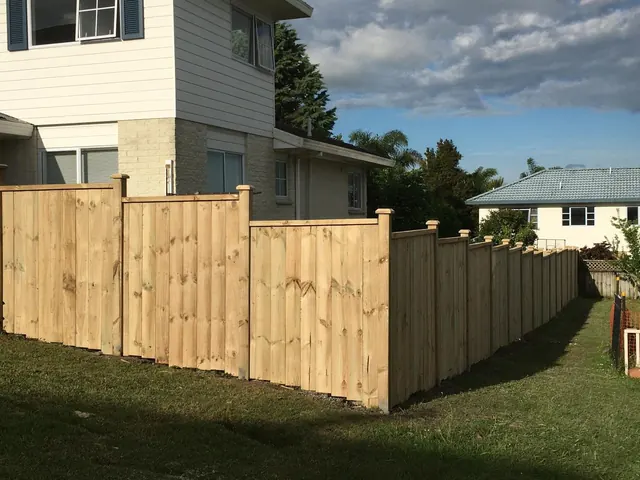
Quick answer: Auckland fence height and boundary rules come from three rule sets. Under the Building Act, a fence up to 2.5 metres high is generally exempt from building consent, except pool fences, which always need it. The Auckland Unitary Plan can limit height in front yards and some boundaries, and the Fencing Act 1978 governs cost-sharing and disputes with neighbours.
Which Auckland fence height and boundary rules apply in 2026?
Three separate rule sets can apply to a fence, and the table shows what each one covers.
| Rule set | What it covers |
|---|---|
| Building Act 2004 (Schedule 1 exemption) | Whether a fence needs a building consent — generally exempt up to 2.5m, except pool fences which always need consent |
| Auckland Unitary Plan (resource consent) | Zone-specific height and design rules, particularly for front yard fences and special character or heritage areas |
| Fencing Act 1978 | Cost-sharing between neighbours for a "sufficient" boundary fence, and dispute resolution if agreement cannot be reached |
Does a fence need building consent up to 2.5 metres?
Building work for a fence or hoarding not exceeding 2.5 metres in height above the supporting ground is generally treated as exempt from building consent under Schedule 1 of the Building Act 2004. This exemption specifically does not apply to fences restricting access to a residential swimming pool — pool fencing always requires a building consent regardless of height, given the additional safety requirements under pool fencing legislation.
Can the Auckland Unitary Plan limit your fence height?
Even where a fence is exempt from building consent, the Auckland Unitary Plan can separately limit fence height for planning reasons — commonly restricting front yard fences to a lower height than side or rear boundaries, particularly where visibility for road safety or streetscape character is a concern. Special Character Areas and heritage overlays can add further restrictions. Checking your specific property's zoning before finalising a fence design avoids building something that meets the building consent exemption but still breaches a district plan rule.
What mistakes do homeowners make with fence rules?
Homeowners often make these mistakes when they check the fence rules.
- Assuming a fence under 2.5 metres needs no approval at all, without checking Auckland Unitary Plan front-yard or character-area restrictions
- Building a pool fence without consent, believing the general 2.5m building consent exemption applies to it
- Skipping the formal neighbour notification process under the Fencing Act before starting a shared boundary fence
- Not checking whether a retaining wall combined with a fence changes the height calculation or consent position
- Building right up to the visibility splay at a corner section without checking road-safety sightline rules
What should you check before building a fence?
Work through these steps before you start to build.
- Confirm your exact boundary line, ideally with a surveyor on corner or sloping sections
- Check your property's zoning and any Special Character or heritage overlay through Auckland Council's property information tools
- Give written notice to your neighbour if you want to share costs under the Fencing Act
- Confirm whether your fence design, height and any combined retaining structure triggers a building consent
Do corner sections have extra fence height rules?
Fences near intersections or driveways can be subject to visibility splay requirements that restrict height in a specific zone near the corner, regardless of the general boundary fence height allowance elsewhere on the property. This exists to keep sightlines clear for drivers and pedestrians. If your property sits on or near a corner, it is worth checking this specific rule separately from the general 2.5 metre building consent threshold, since a fence that is otherwise fully compliant can still breach a visibility requirement in that particular zone.
Do the same fence rules apply outside Auckland?
The rules above are specific to Auckland, and the table shows how they compare with the national and local layers.
| Rule set | National or local? |
|---|---|
| Building Act 2004, Schedule 1 (consent exemption for fences up to 2.5 metres; pool fences excluded) | National — the same across New Zealand |
| Fencing Act 1978 (sharing the cost of a boundary fence and neighbour disputes) | National |
| Planning rules: height limits, front-yard and boundary controls, special character areas | Local — set by each council's district plan (in Auckland, the Auckland Unitary Plan), and they differ from council to council |
This guide covers the Auckland planning layer. If your property is in another council area, such as Palmerston North, read that council's district plan and guidance before you build, for example Palmerston North City Council's common boundary fences page and its District Plan.
Sources
Primary sources for the rules summarised above (checked 2026-10-01):
- Building Act 2004 Schedule 1 — fences and hoardings (building.govt.nz)
- Fencing Act 1978 (legislation.govt.nz)
- Build a fence — Auckland Council
- Palmerston North City Council: common boundary fences
- Palmerston North City Council: District Plan
Related guides and services: deck Building Consent in Auckland · deck and Fence Maintenance Before Auckland Winter · how Much Does Deck Building Cost in Auckland? · Deck & Fence Builders Auckland
Conclusion
Auckland fence rules operate on three separate levels — building consent, Unitary Plan zoning, and the Fencing Act's cost-sharing process — and a fence that clears one does not automatically clear the others. Checking all three before building, particularly for pool fences, front yards, corner sections and Special Character Areas, avoids a costly redesign or removal order later.
Frequently Asked Questions
What is the maximum fence height without consent in Auckland?
Generally 2.5 metres under the Building Act’s exemption for fences and hoardings, though pool fences always require building consent regardless of height, and the Auckland Unitary Plan can separately restrict height in some zones or front yards.
Do pool fences need building consent even if under 2.5 metres?
Yes. Fences restricting access to a residential swimming pool are excluded from the general building consent exemption and always require consent, given the additional safety requirements that apply to pool barriers.
Can Auckland Council still restrict my fence height even if consent is not needed?
Yes, through the Auckland Unitary Plan’s resource consent rules, which can set lower height limits for front yard fences or in Special Character Areas, separately from the building consent exemption.
Do I have to pay for half of a shared boundary fence?
The Fencing Act 1978 sets out a process for sharing the cost of a "sufficient" boundary fence between neighbours, generally starting with formal written notice, though the specific outcome depends on agreement between the parties or, failing that, a dispute resolution process.
Does a retaining wall under a fence change the consent position?
It can. Combined retaining wall and fence structures are assessed differently from a standalone fence, and the retaining component may have its own separate consent threshold that applies alongside the fence height rules.
Deck & Fence Help Across Auckland
Reading up is a smart first step, but every Auckland property is a little different. For advice tailored to your own home, My Homes Construct Ltd offers free assessments and written quotes for deck, fence and pergola work across all Auckland regions and suburbs.
We respond to enquiries the same business day, explain your options in plain language, and stand behind every job with a workmanship warranty — no pressure and no hidden costs.
When to Call a Professional
The trickiest part of any deck, fence and pergola work project is often knowing when to stop and call someone in. Warning signs worth taking seriously include recurring problems, damage that keeps spreading, anything involving safety or access at height, and work that touches the structure of your home.
In those situations a professional opinion pays for itself. We're always happy to take a look and tell you straight whether it's something you can manage yourself or a job better left to a registered building company — with no obligation either way.
Timing It Right in Auckland
Auckland's climate runs to its own calendar, and deck, fence and pergola work projects go more smoothly when they're scheduled with that in mind. Booking weather-dependent work for a settled stretch avoids delays, and getting preventative jobs done before winter saves you from reacting once the heavy rain and coastal winds arrive.
If you're not sure where your property sits on that timeline, that's exactly the kind of thing a free assessment answers. We'll tell you honestly whether something needs attention now or can sensibly wait until the season suits.
A Quick Checklist for Auckland Homeowners
Whatever you decide to do next, a few simple principles will save you money and stress on any deck, fence and pergola work job in Auckland.
- Act early — Auckland's wet, humid climate turns small problems into expensive ones faster than most people expect.
- Get it in writing — a clear, itemised written quote protects you and makes comparing options straightforward.
- Check it's a registered building company — it matters for quality, consent and warranty cover.
- Ask about the warranty — reputable Auckland tradespeople stand behind their workmanship, not just the materials.
- Think long-term value, not just the cheapest price — the lowest quote is rarely the best value once durability is factored in.
Keep these in mind and you'll avoid the most common — and most costly — mistakes we see on Auckland properties.
Need Professional Help in Auckland?
My Homes Construct Ltd provides expert deck & fence and full home-improvement services across all Auckland suburbs. Get a free, no-obligation quote today.
This guide is published by the My Homes Construct Ltd home page — a registered Auckland building company covering gutters, roofing, renovation, painting, decks and civil construction.