
Best Exterior Paint Systems for Coastal Auckland Homes
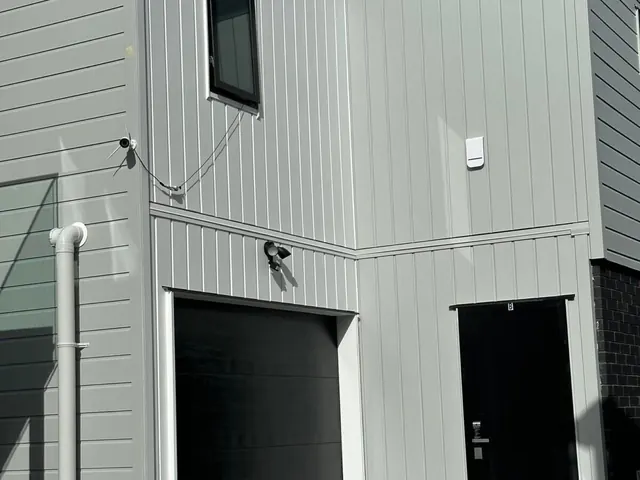
Quick answer: The best exterior paint for coastal Auckland homes is a coastal-rated system, not just a premium standard exterior paint. Salt-laden air speeds up coating breakdown and corrosion, so the right system combines correct surface preparation, a coastal-rated primer and a top coat rated for high UV and salt exposure.
Why does coastal exposure change the paint you need?
Salt particles carried on sea air settle on exterior surfaces and accelerate the breakdown of standard paint films, while also promoting corrosion on any exposed metal fixings, flashings or fasteners. Combined with Auckland's high summer UV index and frequent wet weather, coastal-facing walls typically show fading, chalking and coating failure noticeably faster than the same product used inland. Homes on the North Shore, Waitematā and Manukau harbour edges, and west coast settlements are all considered higher-exposure zones for this reason.
What is the best exterior paint for coastal Auckland homes?
The best exterior paint for coastal Auckland homes is the system whose manufacturer warrants it for your property’s exposure, not a particular brand or a premium label.
Choose by system and by evidence: a coastal or marine-rated range, a primer that suits your cladding, and written confirmation that the warranty covers your distance from the water. We do not recommend a single brand because the right product depends on your cladding, your exposure and what is available when you paint.
What does a coastal-rated paint system include?
A coastal-rated paint system is more than the topcoat: it covers preparation, primer and the finish coats.
| Layer | Role |
|---|---|
| Surface preparation | Removing salt residue, chalking, moss and failed coating before anything new goes on — skipping this step undermines every layer above it |
| Primer/sealer | A primer suited to the substrate (timber, fibre-cement, plaster) that also addresses any moisture or stain issues before top coats are applied |
| Top coats rated for high UV/marine exposure | Manufacturers typically offer a specific marine or high-durability exterior range formulated for extended coastal performance versus a standard exterior line |
| Metal fixings and flashings | Corrosion-resistant fasteners and coated flashings reduce rust staining bleeding through the paint film over time |
How often does a coastal home need repainting?
A well-specified coastal exterior system is generally expected to need repainting somewhat more often than the same product would inland, simply because of the accelerated UV and salt exposure. Rather than relying on a fixed number of years, the more reliable approach is a periodic visual check — chalking, fading, or hairline cracking are the signs that a repaint window is approaching, well before the coating actually fails and lets moisture through to the timber or substrate underneath.
How does the surface affect preparation?
The right approach depends on the surface, because timber, masonry and metal each need different preparation.
- Timber weatherboard — needs sound, dry timber before painting; any existing rot should be repaired first, not painted over
- Fibre-cement cladding — generally more stable than timber in coastal conditions, but joints and flashings still need attention
- Plaster/stucco cladding — cracking is common in older systems and should be assessed for moisture ingress before repainting, since painting over an active crack does not fix the underlying issue
What mistakes shorten the life of a coastal paint job?
These are the mistakes that most often shorten the life of a coastal paint job.
- Using a standard inland-grade exterior paint on a home within a few hundred metres of the coast
- Skipping proper surface preparation (salt residue, chalking, moss removal) to save time
- Painting over corroding metal fixings instead of replacing or treating them first
- Choosing paint colour before checking whether the specific product is available in a coastal-durability range
- Assuming a repaint schedule based on a friend's inland home applies to a coastal property too
When should you bring in a professional?
A professional painter familiar with Auckland's coastal suburbs can assess the specific exposure level of your site, recommend the right primer and top-coat system for your cladding type, and identify any underlying moisture or corrosion issues that need addressing before painting — rather than repainting over a problem that will simply reappear through the new coating.
How do you choose a coastal paint system, step by step?
You choose a coastal paint system by working from the site to the product, in this order.
- Assess your exposure. Note how close the house is to the water and which walls face the weather.
- Inspect the surface. Check for chalking, moss, salt residue, rot and corroding fixings.
- Repair and prepare first. Fix rot, treat or replace corroding fixings, and wash the surface.
- Choose the primer for the cladding: timber, fibre-cement or plaster.
- Choose a coastal-rated top coat and ask for the warranty in writing.
For your project, our exterior house painting service includes an on-site assessment, and our exterior painting cost guide explains what drives the price.
Does colour choice affect coastal performance?
Darker colours generally absorb more heat and UV, which can accelerate coating breakdown compared with lighter shades in the same product range — worth factoring in alongside personal preference, particularly on north or west-facing coastal elevations that already receive the most direct sun. This does not rule out darker colours, but it is worth asking your paint supplier whether the specific colour and product combination you want carries the same durability rating as a lighter option in the same range.
How do you check manufacturer warranties for coastal use?
Many exterior paint manufacturers publish specific warranty terms for coastal-zone applications, often with a defined distance-from-coast threshold beyond which the standard warranty no longer applies without an upgraded system. Before committing to a product, ask your painter or supplier to confirm in writing that the specific system quoted is warranted for your property's actual distance from the water, rather than assuming a "premium" product automatically qualifies.
Sources and further reading: WorkSafe: working at height · Building Code: external moisture (building.govt.nz)
Related guides and services: exterior House Painting Cost Auckland 2026 · weatherboard Painting Auckland · from Gutter Installation to Painting · Exterior House Painting
Conclusion
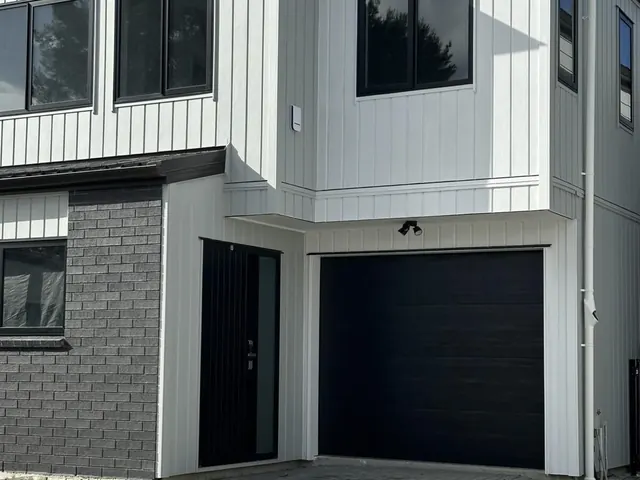
A coastal Auckland home needs more than a premium paint tin — it needs a system matched to salt exposure, correct surface preparation, and attention to metal fixings that can undermine an otherwise good paint job. Getting the system right the first time, with a warranty that actually covers your property's exposure, reduces how often the full job needs repeating.
Frequently Asked Questions
Do coastal Auckland homes need special exterior paint?
Yes — homes within a few hundred metres of the coast benefit from a paint system specifically rated for marine/high-UV exposure, rather than a standard inland exterior product, because salt air accelerates coating breakdown and metal corrosion.
How often should a coastal home be repainted?
This varies by product and exposure, but coastal properties generally need repainting somewhat more often than inland homes. Watching for chalking, fading or hairline cracking is a more reliable guide than a fixed number of years.
Can I paint over rusted fixings on my exterior?
It is better to treat or replace corroding metal fixings before painting, since rust bleeding through a new coating is a common and avoidable cause of early paint failure near the coast.
Does cladding type affect which paint system I need?
Yes. Timber weatherboard, fibre-cement and plaster/stucco all need different preparation and, in some cases, different primers, so the right system depends on your specific cladding as well as coastal exposure.
What is the biggest mistake in coastal exterior painting?
Skipping proper surface preparation — removing salt residue, chalking and moss — before applying new paint. No top coat performs to its rated durability over a poorly prepared surface.
How close to the coast counts as coastal for paint?
There is no single answer, because each manufacturer sets its own distance-from-coast threshold in its warranty. Ask your painter or supplier to confirm in writing that the system is warranted for your property’s actual distance from the water.
Painting Help Across Auckland
Reading up is a smart first step, but every Auckland property is a little different. For advice tailored to your own home, My Homes Construct Ltd offers free assessments and written quotes for interior and exterior painting across all Auckland regions and suburbs.
We respond to enquiries the same business day, explain your options in plain language, and stand behind every job with a workmanship warranty — no pressure and no hidden costs.
When to Call a Professional
The trickiest part of any interior and exterior painting project is often knowing when to stop and call someone in. Warning signs worth taking seriously include recurring problems, damage that keeps spreading, anything involving safety or access at height, and work that touches the structure of your home.
In those situations a professional opinion pays for itself. We're always happy to take a look and tell you straight whether it's something you can manage yourself or a job better left to a registered building company — with no obligation either way.
Timing It Right in Auckland
Auckland's climate runs to its own calendar, and interior and exterior painting projects go more smoothly when they're scheduled with that in mind. Booking weather-dependent work for a settled stretch avoids delays, and getting preventative jobs done before winter saves you from reacting once the heavy rain and coastal winds arrive.
If you're not sure where your property sits on that timeline, that's exactly the kind of thing a free assessment answers. We'll tell you honestly whether something needs attention now or can sensibly wait until the season suits.
A Quick Checklist for Auckland Homeowners
Whatever you decide to do next, a few simple principles will save you money and stress on any interior and exterior painting job in Auckland.
- Act early — Auckland's wet, humid climate turns small problems into expensive ones faster than most people expect.
- Get it in writing — a clear, itemised written quote protects you and makes comparing options straightforward.
- Check it's a registered building company — it matters for quality, consent and warranty cover.
- Ask about the warranty — reputable Auckland tradespeople stand behind their workmanship, not just the materials.
- Think long-term value, not just the cheapest price — the lowest quote is rarely the best value once durability is factored in.
Keep these in mind and you'll avoid the most common — and most costly — mistakes we see on Auckland properties.
Need Professional Help in Auckland?
My Homes Construct Ltd provides expert painting and full home-improvement services across all Auckland suburbs. Get a free, no-obligation quote today.
This guide is published by the My Homes Construct Ltd home page — a registered Auckland building company covering gutters, roofing, renovation, painting, decks and civil construction.