
How to Plan a Major Home Renovation: Tips for Auckland Homes
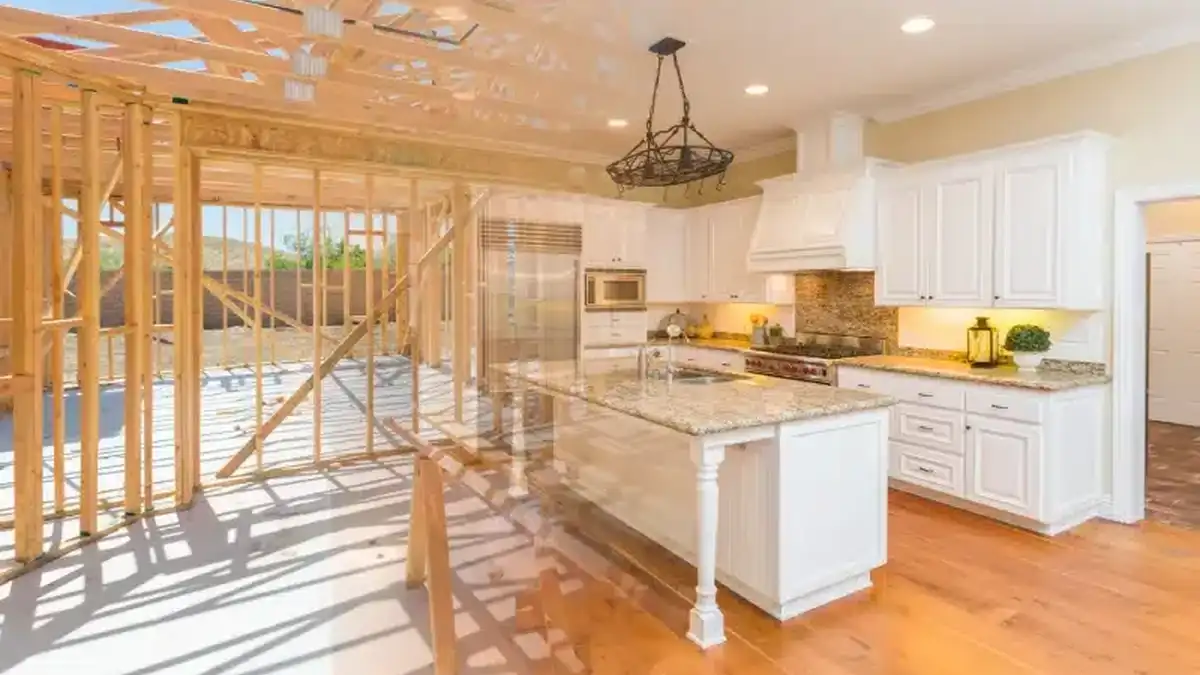
Quick answer: To plan a major home renovation in Auckland, define your goals, set a budget with a 10–20% buffer, check which work needs building consent, hire professionals you can verify and agree a written timeline before work starts. Our cost calculator lists typical timelines, and weekly check-ins keep the project on track.
Planning is the foundation of any successful major renovation. Skipping it can lead to cost blowouts, delays and regrets that last long after the dust settles. This guide walks through the essential steps: defining goals, budgeting, checking regulations, hiring the right team, setting a timeline and preparing for disruption.
How do you plan a major home renovation in Auckland?
Every major renovation starts with a clear vision, so begin by deciding what you want the finished home to do for you.
- What are you hoping to improve? Space, lifestyle or both. If you need more room, or better living through improved lighting or outdoor flow, say so early.
- Must-haves versus nice-to-haves: a luxury ensuite or smart home technology might be nice-to-haves. Prioritise based on budget, and list them early to stay focused and avoid scope creep.
- Common goals in Auckland homes: open-plan kitchens, extensions and second bathrooms.
A mood board of ideas helps align your goals, and clear goals keep your renovation on track.
How do you define the scope of work and plan the design?
Define the scope by listing exactly what will be done, room by room, including the repairs that sit behind the finishes, because a written scope is the basis for every quote and the clearer it is, the easier the quotes are to compare.
- List the repairs as well as the visible changes. Leaks, rot, wiring and plumbing belong in the scope even though they will not show in the finished room.
- Separate must-do from nice-to-have. A ranked list tells you what to cut first if the budget tightens.
- Plan the design and finishes early. Research materials and finishes that suit your style and budget, visit showrooms and use a mood board, and weigh how a design works alongside how it looks.
- Note what depends on a decision. A layout change can alter the plumbing, the structure and the consent position, so settle it before quotes are requested.
How do you plan the space, the lighting and the storage?
Decide how each area will be used, then let the layout, lighting and storage follow, because a design that is settled early costs less to build than one that changes on site.
- Function and flow: arrange the layout so that rooms connect naturally.
- Lighting: combine natural and artificial light for the atmosphere you want, and plan the switching with the electrician.
- Storage: include smart storage so the finished room stays uncluttered.
- Style: choose colours, materials and finishes that work together and stay consistent throughout.
How do you set a realistic renovation budget?
A solid budget prevents financial stress during your renovation, and it starts with knowing what each part of the project is likely to cost.
- Get multiple quotes: compare what each quote includes, not just the total, so you can plan accurately.
- Consider your financing options: savings, renovation loans and refinancing are the usual choices, and a bank or financial adviser can explain which suits you.
Our cost calculator gives a typical price range for the main renovation types, and our guide to comparing Auckland renovation quotes shows how to line quotes up fairly.
Which renovation work needs building consent in Auckland?
Navigating the regulations is key to a legal and safe renovation, and the rules turn on what the work changes.
- Consent is generally needed for structural changes, extensions or decks over 1.5m under the Building Act 2004.
- Internal alterations such as removing walls or adding bathrooms may need consent if they affect load-bearing structures, plumbing or waterproofing.
- Minor cosmetic work such as painting usually does not need consent, but confirm with Auckland Council to avoid problems later.
Restricted building work must be carried out or supervised by a Licensed Building Practitioner. Keep a file of all permits and documentation, because it proves compliance when you sell.
How do you hire the right renovation team?
The right team turns your renovation vision into reality, so choose carefully and check what you are told.
- Ask “Are you a Licensed Building Practitioner?” and verify the answer on the official LBP register.
- Ask for recent Auckland references and look at past work.
- Ask for a timeline and cost estimate in writing, so the scope is clear on both sides.
Talk to several contractors before you decide, and compare quotes line by line.
A larger project may also need an architect or architectural designer to turn your vision into drawings and guide you through council requirements, a project manager, and subcontractors such as an electrician and a plumber. Make sure everyone doing regulated work is licensed, and ask to see proof of insurance.
How long does a major renovation take?
A clear timeline keeps your project on track, and our cost calculator publishes typical timelines for the most common renovation types.
| Project | Typical timeline |
|---|---|
| Kitchen renovation | 4–8 weeks |
| Bathroom renovation | 2–4 weeks |
| Bedroom renovation | 1–3 weeks |
| Garage renovation | 3–6 weeks |
| Carpentry | 1–2 weeks |
| Full home renovation | 8–24 weeks |
These are planning guides from our cost calculator, and your own quote confirms the programme. See also how long home renovations take.
What order should a major renovation follow?
A renovation goes in a fixed order, from the structure outwards, because each stage covers up the one before it. Doing the stages out of order is the most common reason work has to be redone.
- Structure and weather. Repair the roof, leaks, foundations and framing first, because everything else sits on them.
- Strip out. Remove the fixtures, walls and floors that are being replaced.
- Plumbing and electrical. Update the services before the walls and ceilings are closed up.
- Walls, floors and ceilings. Reline and refinish once the structure and services are sound.
- Fixtures and finishes. Fit the appliances, lighting and decor last.
Your contractor will break the project into phases such as demolition, electrical, plumbing, building and finishing, and a good programme adds buffers for weather and deliveries.
What should you document before the work starts?
Put the plans, the materials and the timeline in writing so that everyone works from the same information. Clear documents help your specialists carry out the work accurately and give you something to check progress against.
- Plans: floor plans showing the layout, dimensions and key elements.
- Materials: the exact materials, colours and finishes you want.
- Special features: custom items such as built-in shelves or unusual lighting.
- Timeline: milestones and a completion date that you and the contractor have both agreed.
How do you list materials and products before work starts?
List materials by room and by trade, with the finish, the quantity and the supplier lead time for each one, because ordering early avoids trades waiting on site for a delivery.
Ask your contractor which items you choose and which they supply, so that nothing is missed or bought twice.
How do you keep a renovation on track once it has started?
Set stage milestones, such as framing finished or painting started, and check each trade against them at regular site visits, because milestones make slippage visible while there is still time to fix it.
- Agree the milestones in writing. Put them in the contract or the programme, so that both sides are working to the same dates.
- Track the budget. A spreadsheet with the quotes, the costs so far and the reserve shows at a glance whether the project is on course.
- Talk through changes first. Settle the effect of any change on price and timing in writing before the work is carried out.
Simple tools are enough: a spreadsheet for the budget, a task list for the trades and a floor plan or hand sketch for the layout. You do not need specialist software.
What mistakes should you avoid when planning a major renovation?
Most cost blowouts, delays and regrets on a major renovation trace back to a handful of planning mistakes, and each one is avoidable.
- Starting without clear goals: without a list of must-haves and nice-to-haves, scope creep pushes the project over budget.
- Leaving out the buffer: a budget with no allowance for delays or material price changes leaves no room for surprises.
- Skipping the consent check: starting work that needed consent can mean stopping, redoing work or problems at sale time.
- Hiring without checking: not verifying a contractor’s licence, references or written estimate leaves you exposed if something goes wrong.
- Agreeing changes verbally: changes that are not written down lead to misunderstandings about cost and timing.
How do you prepare for the disruption of a renovation?
A major renovation disrupts daily life, so plan for it before work starts.
- Living arrangements: ask your builder how the work will be staged so you can plan where you will live.
- Weekly check-ins: set weekly check-ins with your builder to keep the timeline on track.
- Written changes: document changes in writing to prevent misunderstandings.
- Early planning: submit plans to Auckland Council early if consent is needed, so approval does not hold up the start.
Our guide to managing renovation stress goes further, and our Home Renovation services page shows what we can take on.
Review the plan with your contractor at each milestone, record any change to the scope or the price in writing, and keep a short list of open decisions so that nothing is left until the last minute. A plan that is checked regularly is far easier to keep on budget and on time.
Sources and further reading: building.govt.nz: apply for a building consent · building.govt.nz: check if you need a building consent · Licensed Building Practitioners register (lbp.govt.nz)
Related guides: ultimate guide to home renovation in Auckland · cost-effective ideas for home renovation

Conclusion
A well-planned major renovation starts with clear goals, a budget with a buffer, the right consents and a team you can verify. A good next step is to try our cost calculator for a first estimate, then ask My Homes Construct Ltd for a free quote.
Frequently Asked Questions
Do I need building consent for a major renovation in Auckland?
Consent is generally needed for structural changes, extensions or decks over 1.5m. Removing walls or adding bathrooms may need consent too. Check with Auckland Council before you start.
How long does a major renovation take?
Our cost calculator lists typical timelines: a kitchen 4–8 weeks, a bathroom 2–4 weeks, a bedroom 1–3 weeks and a full home 8–24 weeks, depending on the scope of the work.
How do I check a renovation contractor is licensed?
Ask whether they are a Licensed Building Practitioner and look them up on the official LBP register. Also ask for recent Auckland references and a written timeline and cost estimate.
Where should I begin when starting a home renovation?
Begin by defining your goals and priorities, then deal with essential repairs before cosmetic changes. Set a realistic budget that includes consents and hidden costs, check which work needs consent, and assemble a licensed team with references and compared written quotes.
Should I renovate in stages or all at once?
Staging spreads the cost and the disruption, while doing it all at once is usually more efficient for trades and keeps one finished result. Your budget and how you live in the house should decide.
What is the best way to avoid renovation delays?
Plan buffers for weather and deliveries, order materials early, settle design decisions before work starts and agree changes in writing. Most delays come from late decisions.
What hidden costs should I budget for?
Allow for consents, changes in material prices, repairs that are found once walls and floors are opened, and extra labour, and keep a reserve in the budget so that none of them forces a compromise halfway through.
How do I prepare for a smooth home renovation?
Set clear goals, choose an experienced licensed contractor, agree a realistic budget with room for the unexpected and put the plans, materials and timeline in writing. Check consent requirements early and plan how you will live through the work.
What should I document before a renovation starts?
Keep floor plans, the exact materials and finishes, any custom features and an agreed timeline with milestones. Having them in writing gives you something to check progress and any changes against.
Home Renovation Help Across Auckland
Need a hand putting this into practice? My Homes Construct Ltd delivers home renovation services throughout Auckland, from the North Shore through to South Auckland, with the local knowledge to get the details right the first time.
Get in touch for a free, no-obligation quote. You'll deal with the same registered building company team across your whole project, with quality materials and a workmanship warranty as standard.
When to Call a Professional
Plenty of home renovation tasks are fine to tackle yourself, but it's worth knowing where the line is. If a job involves working at height, structural elements, water getting where it shouldn't, or anything you're not fully confident about, bringing in a professional is usually cheaper than fixing a DIY attempt that didn't hold up.
A good tradesperson also spots the things an untrained eye misses — the early warning signs that turn a small job today into a major repair next winter. If you're in any doubt, a free assessment costs nothing and gives you a clear, honest picture before you commit to anything.
Timing It Right in Auckland
One thing worth keeping in mind with home renovation in Auckland is how much the seasons shape the right approach. Coastal exposure, humidity and sudden downpours all affect both the work itself and how long the result lasts, so the best time to act isn't always obvious from the kerb.
Booking early in the season also means more flexibility on dates and fewer surprises. We're happy to map out sensible timing with you at no cost, so the job lands when conditions — and your budget — are right.
A Quick Checklist for Auckland Homeowners
Whatever you decide to do next, a few simple principles will save you money and stress on any home renovation job in Auckland.
- Act early — Auckland's wet, humid climate turns small problems into expensive ones faster than most people expect.
- Get it in writing — a clear, itemised written quote protects you and makes comparing options straightforward.
- Check it's a registered building company — it matters for quality, consent and warranty cover.
- Ask about the warranty — reputable Auckland tradespeople stand behind their workmanship, not just the materials.
- Think long-term value, not just the cheapest price — the lowest quote is rarely the best value once durability is factored in.
Keep these in mind and you'll avoid the most common — and most costly — mistakes we see on Auckland properties.
Need Professional Help in Auckland?
My Homes Construct Ltd provides expert home renovation and full home-improvement services across all Auckland suburbs. Get a free, no-obligation quote today.
This guide is published by Auckland construction and home renovation company — a registered Auckland building company covering gutters, roofing, renovation, painting, decks and civil construction.