
Do You Need Council Consent for Roof Replacement in Auckland?
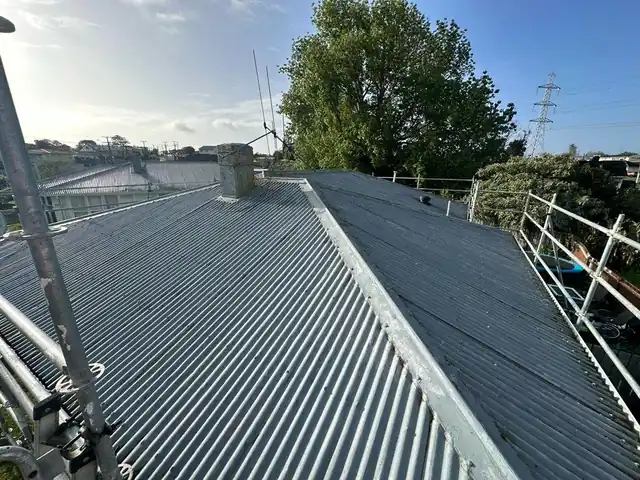
Quick answer: Roof replacement consent Auckland rules start with the Building Act. A genuine like-for-like re-roof, with the same material and roof shape and no structural changes, is generally exempt. Consent is usually required once you change the material, alter the structure, add skylights or solar penetrations, or work on a heritage-listed building.
Is a like-for-like re-roof exempt from building consent?
Building work that repairs, replaces or maintains existing building elements — including re-cladding a roof with the same type of material, in the same location, without changing the structure — is generally treated as exempt building work under Schedule 1 of the Building Act 2004, provided it does not affect the building's structural capacity or reduce compliance with other parts of the Building Code, such as weathertightness. In practice, this covers most straightforward "old roof off, same-style new roof on" jobs.
What usually triggers a consent for a roof replacement?
Several changes usually trigger a need for consent when a roof is replaced.
- Changing roofing material — for example, replacing concrete tile with long-run steel, or vice versa, especially where the weight changes and the structure needs review
- Structural alterations — changing the pitch, removing or altering trusses, or adding new dormers and roof windows
- New penetrations that affect weathertightness detailing beyond a standard replacement, such as skylights or large solar arrays tied into the structure
- Heritage-listed buildings or scheduled character overlays, where visual and material changes may need resource consent as well as building consent
- Any work identified as restricted building work, which must be carried out or supervised by a Licensed Building Practitioner regardless of consent status
How does a like-for-like re-roof compare with a change of material?
The table compares a like-for-like replacement with a change of material.
| Scenario | Consent position |
|---|---|
| Same material, same profile, same roof shape | Generally exempt — but confirm with Auckland Council if in doubt |
| Concrete tile replaced with long-run steel (or the reverse) | Usually requires consent due to structural/weight change |
| Adding a new skylight or roof window during re-roofing | Usually requires consent |
| Re-roofing a heritage-listed or scheduled character home | May require resource consent in addition to any building consent |
| Repairing a small damaged section with matching material | Generally exempt as repair/maintenance |
How does roof replacement consent in Auckland affect cost and timeline?
Consent adds processing time and a council fee to your project, so it pays to know early which category your re-roof falls into. A reputable Auckland roofing contractor will identify this during the initial inspection and quote, and can submit and manage the consent application on your behalf if one is needed, including any producer statements from the roofer or engineer.
What mistakes do homeowners make about roof consent?
These mistakes are common when homeowners assume that no consent is needed.
- Assuming "no consent needed" because a neighbour did a similar job without one — every roof and structure is different
- Not checking heritage or Special Character Area overlays before assuming an exemption applies
- Adding skylights or solar mid-project without confirming whether that changes the consent position
- Proceeding on verbal advice rather than getting written confirmation from the council or your roofer
- Forgetting that exempt work still has to meet the full Building Code, even without a formal consent application
How do you confirm your own situation?
The most reliable path is a written pre-check: describe the existing roof, the proposed material and any structural or penetration changes to Auckland Council's building consents team, or have your roofing contractor do this as part of the quote. This avoids starting work under the wrong assumption and having to stop partway through.
What does a consent application involve?
Where a re-roof does trigger a building consent, the application generally includes a description of the proposed work, plans or specifications showing the roofing system and any structural changes, and, where relevant, a producer statement from the roofer or a structural engineer confirming the design meets the Building Code. Processing timeframes vary with council workload and application completeness — incomplete applications are a common cause of delay, so having accurate site details and a clear scope description from the outset helps keep the process moving.
What is the risk of re-roofing without a required consent?
Carrying out consent-required work without first obtaining that consent can create real problems later: the council can issue a notice to fix, the work may need to be opened up and re-inspected retrospectively at the homeowner's cost, and an unconsented change can complicate a future property sale, since a buyer's solicitor or LIM report will typically flag building work without a corresponding consent or Code Compliance Certificate. Confirming the consent position before work starts is considerably cheaper than resolving it after the fact.
What should you ask your roofer about consent?
Ask your roofer to put the consent position in writing before work starts, because a reputable contractor will identify it at the initial inspection and quote. These questions get a clear answer.
- Is this a like-for-like replacement, or does the material, the structure or any penetration change?
- Is the house heritage-listed or in a Special Character Area, and has that been checked?
- If consent is needed, who submits and manages the application, and who supplies any producer statements?
- Is any of the work restricted building work that must be carried out or supervised by a Licensed Building Practitioner?
- How will the work show that it meets the Building Code, even where no consent is required?
A contractor who answers these plainly, and in writing, is easier to compare with the others on your shortlist, and the written answer protects you if the council or a future buyer asks about the work.
Sources
Primary sources for the rules summarised above (checked 2026-10-01):
- General repair, maintenance and replacement — exempt building work (building.govt.nz)
- Recladding roofs: building consent requirements (building.govt.nz)
Related guides and services: metal Roofing vs Concrete Tiles for Auckland Homes · comparing the Costs · roof Insulation and Ventilation During Re-Roofing in Auckland · Re-Roofing Services
Conclusion
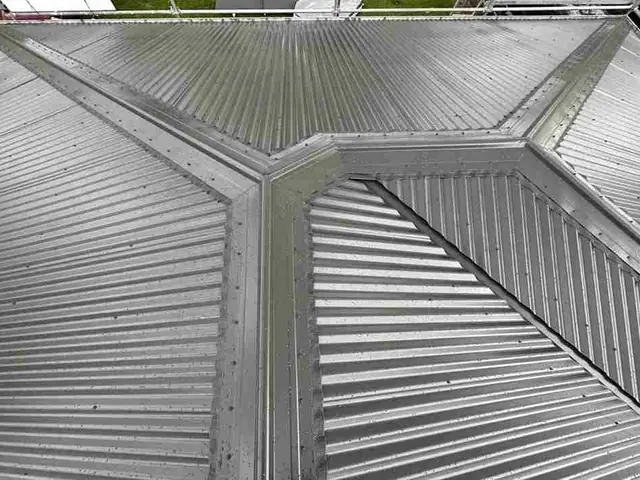
Most straightforward, same-material Auckland re-roofs do not need a building consent, but that exemption disappears the moment the material, structure, or penetrations change — and heritage overlays add another layer to check. Confirming your specific project's consent status in writing before work starts, and following through on the application properly where one is needed, is the cheapest insurance on the whole job.
Frequently Asked Questions
Do I need consent to replace my roof with the same material?
Generally no — a genuine like-for-like re-roof (same material, same roof shape, no structural change) is usually treated as exempt building work. It still has to meet the Building Code, and it is worth confirming your specific situation with Auckland Council or your roofer.
Do I need consent if I change from tile to metal roofing?
Usually yes. Changing roofing material — especially where the weight on the structure changes — commonly requires a building consent so the change can be checked against the Building Code.
Does adding a skylight during re-roofing need consent?
In most cases, yes. New penetrations like skylights typically require a building consent even if the rest of the re-roof would otherwise be exempt.
Is my roof exempt if my house is in a heritage area?
Not necessarily. Heritage-listed buildings and Special Character Areas can require resource consent for visible material or design changes, in addition to any building consent that applies to the work itself.
Who submits the consent application for a re-roof?
Either the homeowner or, more commonly, the roofing contractor submits and manages the application on the homeowner’s behalf, including any required producer statements.
Roofing Help Across Auckland
Need a hand putting this into practice? My Homes Construct Ltd delivers roofing and re-roofing services throughout Auckland, from the North Shore through to South Auckland, with the local knowledge to get the details right the first time.
Get in touch for a free, no-obligation quote. You'll deal with the same registered building company team across your whole project, with quality materials and a workmanship warranty as standard.
When to Call a Professional
Plenty of roofing and re-roofing tasks are fine to tackle yourself, but it's worth knowing where the line is. If a job involves working at height, structural elements, water getting where it shouldn't, or anything you're not fully confident about, bringing in a professional is usually cheaper than fixing a DIY attempt that didn't hold up.
A good tradesperson also spots the things an untrained eye misses — the early warning signs that turn a small job today into a major repair next winter. If you're in any doubt, a free assessment costs nothing and gives you a clear, honest picture before you commit to anything.
Timing It Right in Auckland
Auckland's climate runs to its own calendar, and roofing and re-roofing projects go more smoothly when they're scheduled with that in mind. Booking weather-dependent work for a settled stretch avoids delays, and getting preventative jobs done before winter saves you from reacting once the heavy rain and coastal winds arrive.
If you're not sure where your property sits on that timeline, that's exactly the kind of thing a free assessment answers. We'll tell you honestly whether something needs attention now or can sensibly wait until the season suits.
A Quick Checklist for Auckland Homeowners
Whatever you decide to do next, a few simple principles will save you money and stress on any roofing and re-roofing job in Auckland.
- Act early — Auckland's wet, humid climate turns small problems into expensive ones faster than most people expect.
- Get it in writing — a clear, itemised written quote protects you and makes comparing options straightforward.
- Check it's a registered building company — it matters for quality, consent and warranty cover.
- Ask about the warranty — reputable Auckland tradespeople stand behind their workmanship, not just the materials.
- Think long-term value, not just the cheapest price — the lowest quote is rarely the best value once durability is factored in.
Keep these in mind and you'll avoid the most common — and most costly — mistakes we see on Auckland properties.
Need Professional Help in Auckland?
My Homes Construct Ltd provides expert roofing and full home-improvement services across all Auckland suburbs. Get a free, no-obligation quote today.
This guide is published by Auckland construction and home renovation company — a registered Auckland building company covering gutters, roofing, renovation, painting, decks and civil construction.