
What is a Cross Gutter? A Comprehensive Guide to Its Role in Water Drainage Systems
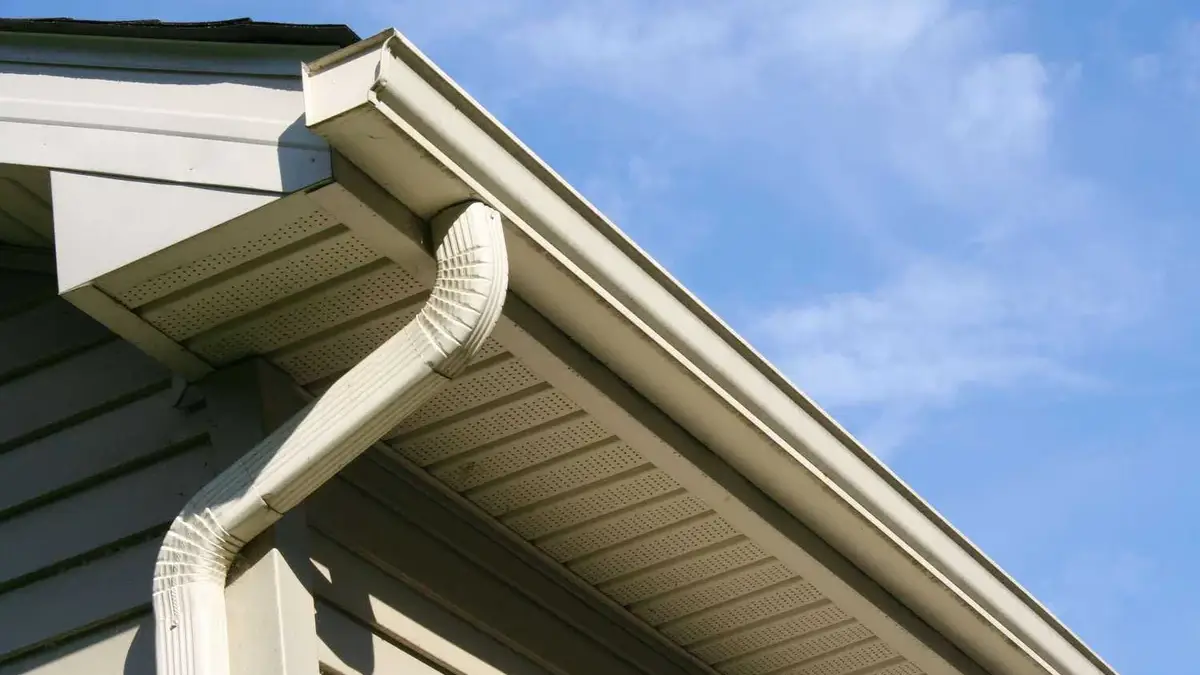
Quick answer: a cross gutter is a shallow channel that carries water across a driveway, road or paved area to a drain, so it cannot pool or run where it should not. Where it crosses a driveway entrance it is typically concrete. It is not a roof gutter: gutters inside a roof are called valley or internal (box) gutters.
This guide explains what cross gutters do, where you find one on an Auckland driveway, how they differ from roof gutters, what can go wrong and when to call a professional.
What is a cross gutter?
In this guide a cross gutter means a channel laid across a paved surface rather than along its edge. It collects water running over the surface and carries it to a drain, channel or the road gutter, so water does not pool on the pavement, run down a driveway or wash the surface away.
You meet them where a driveway meets the road, on sloping access ways and in car parks. Roof gutters are a separate subject, covered next.
Is a cross gutter the same as a roof gutter?
No. The words overlap, but the job and the rules differ. New Zealand roof drainage guidance names gutters by where they sit:
| Type | Where it sits | What it does |
|---|---|---|
| Eaves gutter | Along the lower edge of a roof | Collects roof run-off and feeds the downpipes |
| Valley gutter | At the internal intersection of two sloping roof planes | Drains the valley between the planes; the metal roofing industry guidance treats valley gutters on roofs of 12° pitch or more |
| Internal (box) gutter | Between parallel surfaces, such as two roofs, or where a roof meets a parapet wall | Carries water along a concealed channel to outlets; it needs overflow provision in case an outlet blocks |
| Cross gutter | Across a driveway, road crossing or paved surface | Carries surface water across the pavement to a drain or the road channel |
If your problem is water spilling from a gutter inside your roofline, read our guide to rehabbing an old box gutter.
Where will you find a cross gutter on an Auckland driveway?
The usual place is the vehicle crossing, the strip of driveway between the road and your boundary. Auckland Transport's standard drawing for a vehicle crossing carries a design note: the designer should check that stormwater will remain in the channel and not run down the driveway, and a freeboard of 200 mm (height above the channel) is required to contain stormwater within the road, unless Auckland Transport is satisfied that this is impractical and stormwater will not enter driveways as a result.
Because the crossing sits in the road reserve, work on it needs written approval first. See Auckland Transport's vehicle crossing application page.
How does a cross gutter keep water off your driveway?
A cross gutter keeps water off your driveway only when three things are right:
Level and fall: water needs a continuous path to the drain, with no low spots where it can pool.
Capacity: the channel must cope with heavy rain. Auckland Transport's drawing sets 200 mm of freeboard above the road channel for this reason.
A clear outlet: a channel that discharges to a blocked drain simply fills and overflows.
In our driveway work, drainage is designed in from the start: we design and install channel drains and runoff solutions as part of the job, because poor drainage destroys driveways.
What are cross gutters made of?
Concrete is the usual choice for a cross gutter on a driveway: every concrete driveway we pour is reinforced with steel mesh or bar so it handles vehicles, skip bins and New Zealand's climate. Where water must be captured rather than carried across, a channel drain is the usual alternative.
What problems do cross gutters have, and how do you fix them?
Cross gutters can have several problems, and the table matches each one to a likely cause and a fix.
| Problem | Common cause | What to do |
|---|---|---|
| Pooling or overflow | Debris in the channel or outlet, a low spot, or settled concrete | Clear the debris; if it persists, have the levels checked |
| Cracking or movement | A weak base, poor drainage or ground movement | Find the cause before patching; see concrete driveway cracks: repair vs replacement |
| Water running down the driveway toward the house | The channel is overtopping or the levels are wrong | Get it assessed; the design intent is that stormwater stays in the channel |
Who can alter a cross gutter at a vehicle crossing?
Not the homeowner alone. Auckland Transport requires written approval before you build, modify or repair a vehicle crossing, and it aims to issue the consent letter within 20 working days. Do not break out or re-pour a crossing before the letter arrives. Details are on the Auckland Transport application page.
When should you call a professional?
Call a professional when water runs toward your house or the same area pools again after you have cleared it.
Water runs toward your house or garage instead of along the road channel.
The same area pools again after you clear it.
The concrete is cracked, settled or breaking up.
You want to change the crossing, which needs Auckland Transport approval first.
We can look at the drainage on your driveway at a free site visit, and our guide to what a concrete driveway costs in Auckland covers pricing.
Sources
These are the primary sources this guide is built on, all checked on 2026-10-01:
- Auckland Transport: vehicle crossing application
- Auckland Transport: standard template for design of vehicle crossing (drawing GD021A)
- NZ Metal Roofing Manufacturers: valley drainage
- NZ Metal Roofing Manufacturers Code of Practice: gutters
- BRANZ: internal gutters
Related guides and services: Gutter Services Auckland
Conclusion
A cross gutter is a simple channel with an important job: carrying surface water across a driveway or road crossing to a drain. In New Zealand it is a different thing from a roof's valley or internal gutter. If water is running where it should not, check the levels, the outlet and the approvals before you change anything.
Frequently Asked Questions
What is a cross gutter?
A cross gutter is a shallow channel that carries water across a driveway, road or paved area to a drain, so it cannot pool or run where it should not. Where it crosses a driveway entrance it is typically concrete.
Is a cross gutter the same as a valley or internal gutter?
No. Valley and internal (box) gutters are roof gutters that sit within the roof, while a cross gutter runs across a paved surface such as a driveway or road crossing.
Do I need approval to alter the cross gutter at my driveway entrance?
Yes, if it is part of the vehicle crossing. Auckland Transport requires written approval before you build, modify or repair a vehicle crossing, and aims to issue its consent letter within 20 working days.
Why does water run down my driveway instead of along the road channel?
Auckland Transport's design intent is that stormwater stays in the road channel, with 200 mm of freeboard above it. If water runs down your driveway the channel may be blocked or overtopping, or the levels may be wrong. Have it assessed.
Does My Homes Construct install channel drains?
Yes. We design and install channel drains and runoff solutions as part of our driveway work, because poor drainage destroys driveways.
Gutter Help Across Auckland
Need a hand putting this into practice? My Homes Construct Ltd delivers gutter cleaning, repair and replacement services throughout Auckland, from the North Shore through to South Auckland, with the local knowledge to get the details right the first time.
Get in touch for a free, no-obligation quote. You'll deal with the same registered building company team across your whole project, with quality materials and a workmanship warranty as standard.
When to Call a Professional
The trickiest part of any gutter cleaning, repair and replacement project is often knowing when to stop and call someone in. Warning signs worth taking seriously include recurring problems, damage that keeps spreading, anything involving safety or access at height, and work that touches the structure of your home.
In those situations a professional opinion pays for itself. We're always happy to take a look and tell you straight whether it's something you can manage yourself or a job better left to a registered building company — with no obligation either way.
Timing It Right in Auckland
One thing worth keeping in mind with gutter cleaning, repair and replacement in Auckland is how much the seasons shape the right approach. Coastal exposure, humidity and sudden downpours all affect both the work itself and how long the result lasts, so the best time to act isn't always obvious from the kerb.
Booking early in the season also means more flexibility on dates and fewer surprises. We're happy to map out sensible timing with you at no cost, so the job lands when conditions — and your budget — are right.
A Quick Checklist for Auckland Homeowners
Whatever you decide to do next, a few simple principles will save you money and stress on any gutter cleaning, repair and replacement job in Auckland.
- Act early — Auckland's wet, humid climate turns small problems into expensive ones faster than most people expect.
- Get it in writing — a clear, itemised written quote protects you and makes comparing options straightforward.
- Check it's a registered building company — it matters for quality, consent and warranty cover.
- Ask about the warranty — reputable Auckland tradespeople stand behind their workmanship, not just the materials.
- Think long-term value, not just the cheapest price — the lowest quote is rarely the best value once durability is factored in.
Keep these in mind and you'll avoid the most common — and most costly — mistakes we see on Auckland properties.
Need Professional Help in Auckland?
My Homes Construct Ltd provides expert gutter and full home-improvement services across all Auckland suburbs. Get a free, no-obligation quote today.
This guide is published by the My Homes Construct Ltd home page — a registered Auckland building company covering gutters, roofing, renovation, painting, decks and civil construction.