
Metal Roofing vs Concrete Tiles for Auckland Homes
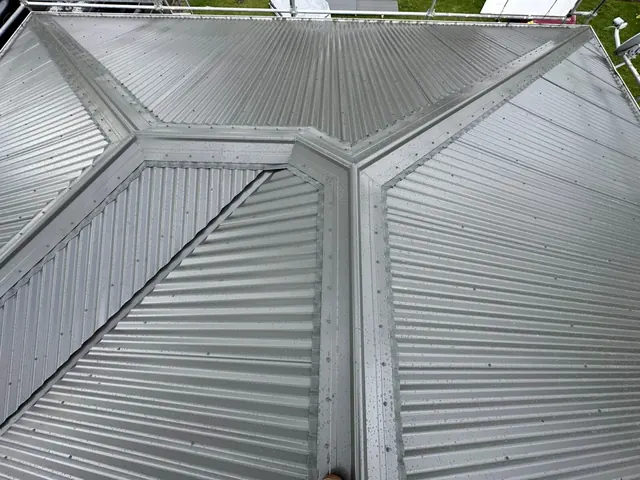
Quick answer: Long-run metal roofing is generally lighter, faster to install and the lower-cost option per square metre, while concrete tile is heavier and naturally quieter in rain. Which suits your Auckland home depends on your roof structure, coastal exposure and noise tolerance, so compare itemised quotes after an on-site inspection.
Most homeowners re-roofing weigh these two materials against each other. This guide compares them on cost, weight, noise, coastal durability and lifespan, and explains how to compare quotes fairly.
Metal roofing vs concrete tiles in Auckland: how do they compare?
This table sets long-run metal and concrete tile side by side on the factors that matter most for an Auckland re-roof.
| Factor | Long-run metal (Colorsteel/Zincalume) | Concrete tile |
|---|---|---|
| Typical installed cost | Generally the lower-cost option per m² | Usually higher per m², plus stronger structure may be needed |
| Weight | Light — suits most existing timber roof structures | Heavy — older homes may need structural checks before re-roofing |
| Lifespan | Depends on the product, coating, fixings and maintenance — check the manufacturer’s warranty | Depends on the tile, the bedding and pointing, and maintenance — check the manufacturer’s warranty |
| Noise in heavy rain | Noticeably louder unless insulated with sarking/blanket | Naturally quieter due to mass |
| Coastal salt exposure | Needs a coastal-grade coating within several hundred metres of the sea | Less sensitive to salt spray, but mortar bedding can degrade over time |
| Install speed | Faster — fewer trades, lighter handling | Slower — more units to lay and point by hand |
| Roof pitch suitability | Works well on low and steep pitches | Needs a minimum pitch to shed water properly |
What affects the cost of a re-roof more than the material?
Price per square metre only tells part of the story. On a re-roof, the bigger cost swings usually come from: removal and disposal of the old roof, the condition of the battens and structure underneath once it’s exposed, scaffolding for two-storey or steep-pitch homes, and how many penetrations, valleys and flashings the roof design has. A simple gable roof in either material will always cost less than a complex hip roof with multiple valleys, regardless of which material you choose.
For an indicative starting figure for your own roof, our construction cost calculator gives a rough range before a formal on-site quote.
How does roof weight affect the choice?
This is the factor most homeowners underestimate. Long-run steel is light enough to go over most existing timber frames without extra strengthening. Concrete tiles are considerably heavier, and if you are converting from an existing lightweight roof to tile, an engineer or experienced roofer needs to check the trusses and battens can carry the extra load before anything is ordered. This is a common reason older Auckland villas and bungalows re-roof in metal rather than tile even when the original roof was tiled.
Which roofing material is quieter in heavy rain?
Metal roofing is quieter than most people expect once a modern sarking (roof underlay) and adequate insulation are installed underneath, but it will never be as naturally quiet as concrete tile in a downpour. If you have a bedroom or living space directly under the roofline with no ceiling cavity, this is worth discussing with your roofer before deciding — a thicker insulation blanket under metal roofing largely closes the gap.
Which roofing material lasts better near the coast?
Auckland’s harbours mean a large share of homes sit within a few hundred metres of salt water. For metal roofing in these zones, insist on a coastal-rated coating system rather than a standard inland-grade product, and check the manufacturer’s warranty explicitly covers your distance from the coast. Concrete tiles are generally more tolerant of salt exposure, though the steel fixings, flashings and gutter system around them still need coastal-grade specification.
How do you compare a metal roof quote with a tile quote fairly?
When you compare a metal quote with a tile quote, check what each one includes. A metal quote may look noticeably lower per square metre, while the tile quote includes a structural engineer’s report and batten upgrade that the metal roof does not need. In that case the headline numbers are not directly comparable: the tile price reflects extra work the roof genuinely requires for that material, not an inflated margin.
The only fair comparison is line by line: material cost, labour, scaffolding, disposal, flashing detail and any structural work, itemised separately in both quotes so you can see exactly where the difference comes from. Our guide to comparing Auckland renovation quotes shows how.
What mistakes do homeowners make when choosing a roofing material?
These are the mistakes that most often lead to a poor match between roof and material:
- Choosing a material based on the neighbour’s roof rather than their own structure and budget
- Not checking whether the existing battens or trusses can carry a heavier tile roof
- Assuming all long-run steel products have the same coastal warranty
- Forgetting that gutters, fascia and downpipes usually need attention at the same time as a re-roof
- Comparing quotes on price per square metre alone, without checking scaffolding, disposal and flashing detail are included
When should you get a professional opinion?
Any decision involving a structural load change (lightweight to tile, or vice versa) should involve a qualified roofer or engineer inspecting the existing framing in person — this is not something to decide from a brochure. A written, itemised quote that separates material, labour, scaffolding, disposal and flashing costs makes comparing metal and tile options far easier than a single lump-sum figure.
Sources and further reading: WorkSafe: working at height · Building Code clause E2 – external moisture (building.govt.nz)
Related guides and services: council consent for roof replacement in Auckland · roof insulation and ventilation during re-roofing · re-roofing in Auckland: cost and process · Roofing Services Auckland
Conclusion
Both long-run metal and concrete tile are proven, code-compliant choices for Auckland's climate. Metal generally wins on cost, weight and installation speed; tile wins on natural quietness and a heavier, traditional look. The best starting point is an on-site inspection of your existing structure, roof pitch and coastal exposure, followed by a written, itemised quote comparing both options line-by-line for your specific home.
Frequently Asked Questions
Is metal roofing cheaper than concrete tile in Auckland?
In most cases, yes — long-run steel is typically the lower-cost option per square metre installed, and it is lighter, which can also reduce structural costs. Concrete tile can still work out competitive on some homes depending on roof complexity and existing structure.
Can I change from tile to metal roofing?
Yes, this is a common re-roofing choice in Auckland, particularly on older homes. Because metal is lighter than tile, the existing structure usually does not need strengthening, though a roofer should still confirm the battens and trusses are in good condition.
Which roofing material is quieter in heavy rain?
Concrete tile is naturally quieter due to its mass. Metal roofing can be brought close to the same comfort level with a good sarking underlay and adequate ceiling insulation, but it will not be completely silent in a downpour.
Do coastal Auckland homes need a different roofing material?
Both materials can work near the coast, but metal roofing needs a coastal-rated coating system (not a standard inland product) within a few hundred metres of salt water, and all fixings and flashings should be specified for coastal exposure regardless of material.
How long does each roofing material last in Auckland?
Lifespan depends on the specific product, its coating, the fixings and how well gutters and flashings are kept clear. Check the manufacturer’s warranty for your distance from the coast rather than relying on a general figure.
Roofing Help Across Auckland
Need a hand putting this into practice? My Homes Construct Ltd delivers roofing and re-roofing services throughout Auckland, from the North Shore through to South Auckland, with the local knowledge to get the details right the first time.
Get in touch for a free, no-obligation quote. You'll deal with the same registered building company team across your whole project, with quality materials and a workmanship warranty as standard.
When to Call a Professional
Plenty of roofing and re-roofing tasks are fine to tackle yourself, but it's worth knowing where the line is. If a job involves working at height, structural elements, water getting where it shouldn't, or anything you're not fully confident about, bringing in a professional is usually cheaper than fixing a DIY attempt that didn't hold up.
A good tradesperson also spots the things an untrained eye misses — the early warning signs that turn a small job today into a major repair next winter. If you're in any doubt, a free assessment costs nothing and gives you a clear, honest picture before you commit to anything.
Timing It Right in Auckland
Auckland's climate runs to its own calendar, and roofing and re-roofing projects go more smoothly when they're scheduled with that in mind. Booking weather-dependent work for a settled stretch avoids delays, and getting preventative jobs done before winter saves you from reacting once the heavy rain and coastal winds arrive.
If you're not sure where your property sits on that timeline, that's exactly the kind of thing a free assessment answers. We'll tell you honestly whether something needs attention now or can sensibly wait until the season suits.
A Quick Checklist for Auckland Homeowners
Whatever you decide to do next, a few simple principles will save you money and stress on any roofing and re-roofing job in Auckland.
- Act early — Auckland's wet, humid climate turns small problems into expensive ones faster than most people expect.
- Get it in writing — a clear, itemised written quote protects you and makes comparing options straightforward.
- Check it's a registered building company — it matters for quality, consent and warranty cover.
- Ask about the warranty — reputable Auckland tradespeople stand behind their workmanship, not just the materials.
- Think long-term value, not just the cheapest price — the lowest quote is rarely the best value once durability is factored in.
Keep these in mind and you'll avoid the most common — and most costly — mistakes we see on Auckland properties.
Need Professional Help in Auckland?
My Homes Construct Ltd provides expert roofing and full home-improvement services across all Auckland suburbs. Get a free, no-obligation quote today.
This guide is published by registered Auckland builders — a registered Auckland building company covering gutters, roofing, renovation, painting, decks and civil construction.