
Home Renovation Trends in Auckland for 2026 and 2027: What to Plan For
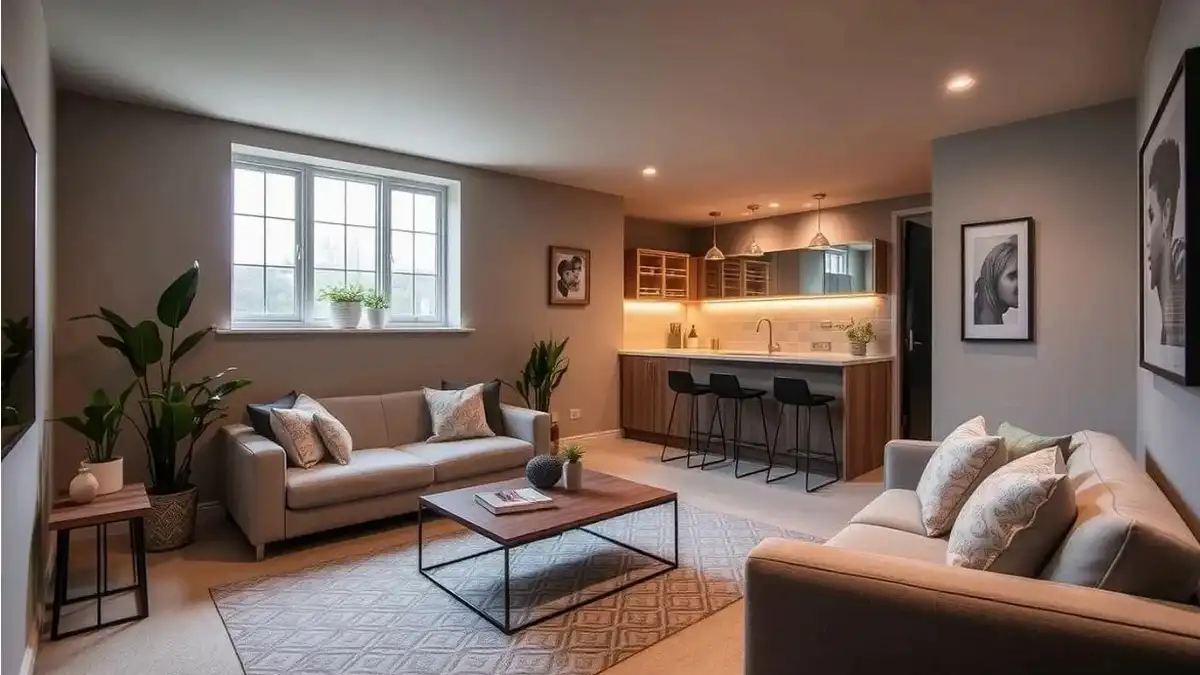
Quick answer: Home renovation trends in Auckland for 2026 and 2027 are design directions, not measured statistics: granny flats and minor dwellings, warmer and more efficient homes, flexible work-and-guest rooms, easy-care bathrooms and kitchens, and covered outdoor living. Choose by your home’s condition and budget, and check consent first.
Auckland homeowners are renovating into a period of new building rules, higher expectations of comfort and more time spent at home. This outlook looks at the directions most likely to shape renovation in 2026 and 2027, explains why each one matters, and shows what to check before you commit your money.
How were these home renovation trends in Auckland for 2026 and 2027 chosen?
This is an editorial outlook, not survey data. We have not measured how many homeowners choose each option, so there are no adoption percentages here, and the trends are design directions you should test against your own home.
We looked at four things that change what renovators ask for, and used them to decide what to include.
- Rule changes: new consent rules for small standalone dwellings, which change what is practical to build in a back yard.
- Running costs and comfort: insulation, heating and ventilation decide how a home feels and what it costs to run.
- How people use their homes: more work at home, and households that include several generations or visiting family.
- Auckland’s weather: heavy rain and humidity favour durable, low-maintenance materials and well-kept roofs and gutters.
What are the main renovation trends to plan for in 2026 and 2027?
The table summarises the directions covered in this guide, why each is likely to stay relevant, and the first thing to check.
| Trend | Why it matters | Check first |
|---|---|---|
| Granny flats and minor dwellings | Simple small dwellings became easier to build from January 2026 | Site, design, services and council requirements |
| Warmer, more efficient homes | Insulation and heating decide comfort and running costs | What insulation, glazing and ventilation the house already has |
| Flexible work-and-guest rooms | Many households need a space that changes role | Layout, power, sound and storage |
| Easy-care bathrooms | Simple surfaces and level showers suit every age | Waterproofing and plumbing position |
| Practical kitchens | Concealed storage, durable surfaces and efficient appliances | Layout, services and benchtop durability |
| Covered outdoor living | Auckland’s climate rewards usable outdoor space | Consent, drainage and exposure |
| Resilient roofs and drainage | Heavy rain tests roofs, gutters and downpipes | Condition of the roof, fascia and gutters |
Are granny flats and minor dwellings a trend to plan for?
Yes, because the rules changed in a way that makes small standalone dwellings more practical. From 15 January 2026, simple single-storey granny flats up to 70 square metres can be built without a building consent if certain conditions are met.
- The design must be simple and meet the Building Code.
- The work must be carried out or supervised by licensed building practitioners.
- The owner must notify the council before the work starts and when it is finished.
Resource consent rules for small standalone dwellings changed on the same date, but conditions and site limits still apply, so confirm what applies to your property with Auckland Council and a licensed builder before you plan. A granny flat, minor dwelling or sleepout can give family, guests or a home office their own space, and our tiny home, granny flat and sleepout service covers the build from design through to completion.
Will warmer, more efficient homes keep driving renovations?
Comfort and running costs are a lasting reason to renovate, and they usually come before cosmetic upgrades because a warm, dry home is the foundation for everything else.
- Check the existing insulation in the ceiling and under the floor before spending on finishes.
- Consider better glazing, efficient heating and good ventilation to control moisture.
- Choose LED lighting and efficient appliances when you replace old ones.
- Plan any roof or ceiling work together, so insulation is not disturbed twice.
If a re-roof is on the cards, read our guide to roof insulation and ventilation when re-roofing first.
Why are flexible rooms and home offices staying popular?
Households want rooms that can change role, such as an office that becomes a guest room or a living space that works for several generations. Flexibility is a direction in how rooms are planned rather than a specific product.
- Plan power, data points and lighting so a room can work as an office.
- Add built-in storage so the room can be cleared quickly for guests.
- Think about sound and insulation between rooms that will have different uses.
- Where space is tight, a sleepout or garage conversion can add a separate room.
Is open-plan living still a layout trend?
Open-plan living remains a common request because removing internal walls creates brighter, more social space, but it is a structural decision that needs checking first.
- Confirm whether a wall is load-bearing before it comes out, because structural changes can need building consent.
- Large sliding or bi-fold doors can link the living area to a deck or patio.
- Flexible partitions, such as sliding doors, let a room open up or close off as needed.
- Plan the kitchen, services and storage around the new layout so the larger room still works day to day.
What is changing in bathrooms and kitchens?
Bathrooms and kitchens are heading towards simpler, easier-to-maintain designs, with storage and durability valued over decoration.
- Bathrooms: walk-in showers with minimal framing, simple easy-clean surfaces, heated floors and water-saving fixtures, all of which depend on proper waterproofing.
- Kitchens: full-height and concealed storage, durable benchtops, efficient appliances including induction cooking, and layered lighting.
Our guides to bathroom renovation trends and kitchen renovation trends go into more detail. Our cost calculator shows a typical kitchen renovation takes 4–8 weeks and a bathroom 2–4 weeks.
How is outdoor living evolving?
Covered, comfortable outdoor space is a lasting direction in Auckland, because the climate rewards a deck or patio that can be used in more weather.
- Covered decks and pergolas extend the usable season.
- Smooth thresholds and wide doors improve the flow between inside and out.
- Low-maintenance materials suit Auckland’s rain and humidity.
- Good drainage keeps the area dry.
Whether an outdoor structure needs consent depends on its size, height, attachment and whether it is roofed, so check the consent guidance below and ask your council. See our indoor-outdoor living guide for planning ideas.
Why do roofs, gutters and drainage belong on a trends list?
Resilience is part of renovation planning, because heavy rain tests every roof, gutter and downpipe, and a new interior is only as good as the envelope that protects it.
- Check the roof, fascia and gutters before you invest in interior work.
- Keep gutters and downpipes clear so water does not get behind new cladding or paint.
- Choose low-maintenance exterior materials where you can.
See our gutter services and our guide to gutter maintenance before storm season.
Which colours and materials are likely to stay popular?
Colour and material choices are moving towards warm, natural and calm, and these are directions rather than measured statistics.
- Earthy colours: deep greens, terracotta and charcoal appear on feature walls and cabinetry, usually balanced with soft neutrals such as taupe and beige.
- Natural materials: timber flooring and cladding, and stone benchtops or feature walls, add warmth and texture.
- Biophilic touches: natural light, plants and views of the garden make a home feel calmer.
- Practicality first: choose durable, easy-clean finishes for high-use areas, and keep bolder colour for walls and accessories that are cheap to change.
Match the finishes to the architecture, with natural materials suiting a villa and sleeker finishes suiting a modern home.
Which trends should you treat with caution?
Not every direction is worth following, and a few common ideas can cost more than they give back.
- Bold, permanent finishes that will date quickly; keep the permanent surfaces neutral and put the bold choices in items that are cheap to change.
- Gadgets you will not use, such as smart features that need wiring and set-up but never get touched.
- Rooms designed around a single purpose when a flexible space would work better.
- Renovating purely for resale: we cannot give a verified figure for how much any trend adds to a home’s value.
How do you choose which trends suit your home?
Start with the condition of the house and your goals, then pick the directions that fit. A short process keeps the project on track and avoids paying twice.
- Set your goals and a realistic budget, and decide what the renovation must achieve.
- Check the condition of the roof, gutters, insulation, wiring and plumbing before choosing finishes.
- Check whether the work needs consent, and ask the council early.
- Get itemised written quotes, and use our cost calculator to see typical ranges and timelines.
- Sequence the work so structural and services work comes before finishes.
Sources and further reading: building.govt.nz: apply for a building consent · building.govt.nz: check if you need a building consent
Related guides: home building trends in New Zealand for 2026 · colour palettes for Auckland renovations · Home Renovation Auckland

Conclusion
The renovation directions for 2026 and 2027 reward homes that are warm, flexible and easy to look after, with new rules making small standalone dwellings more practical. Check the condition of your house first, confirm consent requirements, and ask My Homes Construct Ltd for a free quote on the projects that suit your home.
Frequently Asked Questions
What are the main home renovation trends in Auckland for 2026 and 2027?
The main directions are granny flats and minor dwellings, warmer and more efficient homes, flexible work-and-guest rooms, easy-care bathrooms and kitchens, covered outdoor living and resilient roofs and drainage. These are design directions, not measured statistics.
Do granny flats still need building consent?
From 15 January 2026, simple single-storey granny flats up to 70 square metres can be built without a building consent if conditions are met, including licensed practitioners and notifying the council. Check your site and resource consent requirements with Auckland Council first.
Do renovation trends increase the value of a house?
We cannot give a verified percentage, because the effect on value depends on the house, the street and the market. Choose upgrades you will use and that suit the home rather than following a trend for resale alone.
What should I renovate first?
Start with condition work such as the roof, gutters, insulation, wiring and plumbing, because finishes installed over a problem will not last. Then plan layout changes, and leave decoration until last.
How long do these renovations take?
Our cost calculator shows typical timelines of 4–8 weeks for a kitchen, 2–4 weeks for a bathroom and 8–24 weeks for a whole-home renovation. Consents, materials and hidden problems can add time.
Home Renovation Help Across Auckland
Need a hand putting this into practice? My Homes Construct Ltd delivers home renovation services throughout Auckland, from the North Shore through to South Auckland, with the local knowledge to get the details right the first time.
Get in touch for a free, no-obligation quote. You'll deal with the same registered building company team across your whole project, with quality materials and a workmanship warranty as standard.
When to Call a Professional
Plenty of home renovation tasks are fine to tackle yourself, but it's worth knowing where the line is. If a job involves working at height, structural elements, water getting where it shouldn't, or anything you're not fully confident about, bringing in a professional is usually cheaper than fixing a DIY attempt that didn't hold up.
A good tradesperson also spots the things an untrained eye misses — the early warning signs that turn a small job today into a major repair next winter. If you're in any doubt, a free assessment costs nothing and gives you a clear, honest picture before you commit to anything.
Timing It Right in Auckland
Timing matters more than most Auckland homeowners realise with home renovation work. The drier spells from late spring through summer are ideal for anything weather-sensitive, while the wetter winter months are when hidden faults tend to reveal themselves — which makes autumn a smart time for a preventative check before the rain sets in.
Planning ahead also means you're not scrambling for an emergency call-out at the worst possible moment. A quick seasonal inspection costs little and often catches the small issues that would otherwise become urgent — and expensive — repairs once Auckland's weather turns.
A Quick Checklist for Auckland Homeowners
Whatever you decide to do next, a few simple principles will save you money and stress on any home renovation job in Auckland.
- Act early — Auckland's wet, humid climate turns small problems into expensive ones faster than most people expect.
- Get it in writing — a clear, itemised written quote protects you and makes comparing options straightforward.
- Check it's a registered building company — it matters for quality, consent and warranty cover.
- Ask about the warranty — reputable Auckland tradespeople stand behind their workmanship, not just the materials.
- Think long-term value, not just the cheapest price — the lowest quote is rarely the best value once durability is factored in.
Keep these in mind and you'll avoid the most common — and most costly — mistakes we see on Auckland properties.
Need Professional Help in Auckland?
My Homes Construct Ltd provides expert home renovation and full home-improvement services across all Auckland suburbs. Get a free, no-obligation quote today.
This guide is published by Auckland construction and home renovation company — a registered Auckland building company covering gutters, roofing, renovation, painting, decks and civil construction.