
Are Gutter Brushes Any Good? Pros, Cons & Expert Insights
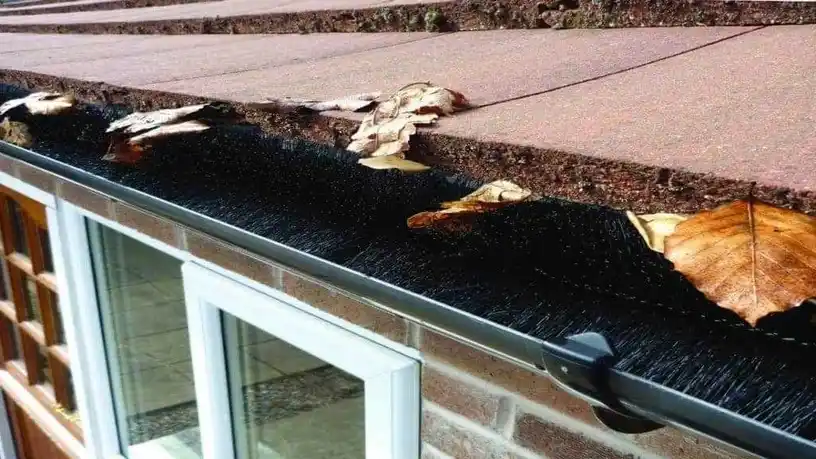
Quick answer: Gutter brushes are bristle inserts that sit in the channel and keep leaves and twigs out while water flows through. They can reduce how often large debris blocks a gutter, but fine material still collects and they need regular checking. They are a partial answer that suits some leafy Auckland homes, not a replacement for cleaning.
Are gutter brushes any good? Many Auckland homeowners ask this when they want to spend less time clearing leaves. This guide explains how a gutter brush works, where it helps, where it falls short and when another option suits your project better.
Do gutter brushes work in Auckland?
Gutter brushes are effective as a filter for larger debris, and they work best where leaves and twigs are the main problem. Water passes down through the bristles into the channel, while leaves and twigs sit on top. Fine material such as seeds, grit and small needles can still work down between the bristles and collect underneath, so a brush reduces the cleaning rather than removing it.
Auckland’s regular rain and tree-lined streets make blocked gutters common, which is why brushes are popular here. A brush does not change the size of the gutter or the downpipes, though, so it cannot fix an overflow caused by capacity or fall. Our guide to why gutters overflow even when clean explains how to tell the difference.
What is a gutter brush and how does it work?
A gutter brush is a long cylinder of bristles that lies inside the gutter channel along its length. The bristles hold leaves and twigs on the surface, so they cannot drop into the channel and travel to the outlet and downpipe. The idea is that the trapped debris dries out and part of it blows away, while rainwater passes through the bristles.
Brushes are made to suit particular channel widths, so you choose one to match your gutter rather than cutting a generic product to fit.
Which bristle material should you choose?
Gutter brushes come in different bristle materials, and the right one depends on your gutters and how much vegetation overhangs them.
- Polypropylene: a common choice because it is light, UV-resistant and affordable.
- Steel wool: suits denser vegetation, but it may rust over time if it is not maintained, so use it with caution in metal gutters.
What are the advantages of a gutter brush?
A gutter brush earns its place where trees overhang the roof and large debris is what blocks the gutter.
- Fewer blockages from large debris: leaves and twigs stay on top instead of packing the outlet.
- Simple fitting: a brush is laid into the channel, so fitting is simpler than for a guard that must be fixed to the roof edge.
- Lower upfront cost: brushes are among the cheaper gutter guard types, which suits a tight budget.
- Water still flows: rain passes through the bristles, so the channel stays open for normal rainfall.
What are the drawbacks of a gutter brush?
A brush has real limits, and knowing them stops you expecting a maintenance-free gutter.
- Fine debris still collects: seeds, grit and small needles work down between the bristles, so you still need to check and clean.
- Wet debris can slow the flow: if leaves stay wet, a mat can form on top of the bristles and slow the water in heavy rain.
- Trapped moisture: damp debris held in the channel can encourage moss and weeds if it is never cleared.
- Fit varies: custom or irregular gutters, brackets and corners can make a standard brush sit badly.
- It can hide problems: rust, cracks or a misaligned downpipe still need attention, and a brush can make them harder to see.
How do gutter brushes compare with other gutter guards?
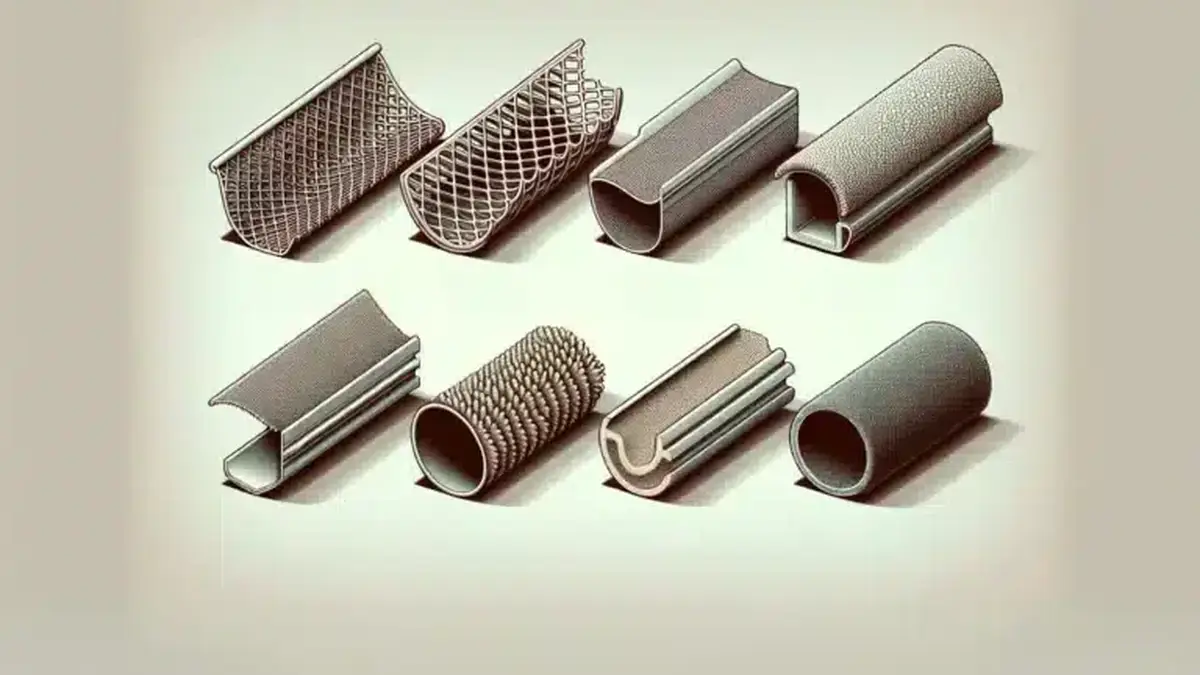
Brushes are one of four common guard types, and each trades cost against upkeep. Our guide to whether gutter guards really work compares them in more detail.
| Guard type | How it works | Cost and upkeep |
|---|---|---|
| Gutter brush | Bristles lie in the channel and filter out larger debris. | Among the cheapest; needs periodic cleaning and the right width. |
| Foam insert | A foam block fills the channel and lets water soak through. | Among the cheapest; usually does not last as long as mesh. |
| Mesh guard | A metal or plastic mesh covers the channel. | Costs more and usually lasts longer; fine debris can still sit on top. |
| Surface tension guard | A curved hood lets water cling and run into the channel. | Costs more and usually lasts longer; suits steeper roofs. |
Which homes suit a gutter brush?
Whether a brush suits your house depends on the trees around it, the shape of the gutter and the cause of any overflow. The table sets out the common situations.
| Situation | Worth considering? | Why |
|---|---|---|
| Trees overhang the roof and drop mostly leaves and twigs | Often yes | The bristles catch larger debris before it reaches the outlet. |
| Fine seeds, needles or grit are the main debris | Less suitable | Fine material works down between the bristles into the channel. |
| A standard, straight gutter profile | Usually fits | A brush made for the channel width can sit snugly along the run. |
| A custom or irregular gutter with many corners | Check first | A standard brush may not fit, so ask an installer before buying. |
| The gutter overflows even when it is clean | No | The cause is capacity or fall, so start with the downpipe size and placement check. |
What should you check before you buy a gutter brush?
A few checks before you buy save a poor fit and a wasted purchase.
- Gutter width and profile: measure the channel so the brush sits snugly and does not block the outlet.
- Brackets and outlets: check that internal brackets and the downpipe outlet leave room for the brush to lie flat.
- Bristle material: choose polypropylene or steel wool to suit your gutter and the amount of vegetation.
- Access and safety: fitting a brush means working at the roof edge, so follow WorkSafe’s working at height guidance and use a professional installer for a multi-storey house.
How do you look after a gutter brush?
A brush needs a quick look each season and after storms, because it filters debris rather than removing it for you.
- Clear the top: lift off leaf litter and large twigs by hand.
- Shake or vacuum: in dry weather, gently shake the brush or vacuum it to remove trapped fine material.
- Check the bristles: replace the brush when the bristles flatten or water stops passing through.
- Inspect the gutter beneath: look for rust, cracks and misaligned downpipes that the brush can hide.
The maker’s guarantee is the best guide to how long a brush should last. We do not quote a lifespan here, because it depends on the bristle material, sun exposure and how much debris the brush carries.
Are gutter brushes cheaper than professional cleaning?
A brush is a one-off purchase, while professional cleaning is repeated, so a brush can cost less over time where blockages are frequent. Where there are few trees, regular cleaning may still cost less than buying and fitting brushes. Use our cost calculator or the gutter cleaning cost guide to compare the two for your house.
What mistakes should you avoid with gutter brushes?
Most disappointing results come from a handful of avoidable mistakes.
- Buying without measuring the gutter channel.
- Assuming a brush means the gutter never needs cleaning.
- Leaving wet leaf litter on top of the bristles for months.
- Fitting a brush to a gutter that already overflows from poor capacity or fall.
- Climbing a ladder alone to fit brushes on a high or steep roof edge.
When is another solution the better choice?
If your gutters overflow even when clean, if the gutter is rusted or sagging, or if very fine debris is the main problem, a brush will not fix the cause. A repair, a replacement, a different guard or regular cleaning may suit your project better, and a quick assessment shows which one.
Sources and further reading: WorkSafe: working at height · Building Code clause E1 – surface water (building.govt.nz) · Building Code clause E2 – external moisture (building.govt.nz)
Related guides: how to install metal gutter guards · gutter maintenance and repairs · Gutter Cleaning Auckland
Conclusion
Gutter brushes can reduce how often large debris blocks a gutter, but they are a partial answer rather than a replacement for cleaning and inspection. Match the brush to your gutter profile and your trees, check it each season, and if blockages keep returning, ask for an assessment of the gutter and its downpipes.
Frequently Asked Questions
Are gutter brushes any good?
They are good at keeping larger debris such as leaves and twigs out of the channel, which can reduce blockages where trees overhang the roof. They still collect fine material and need regular checking, so they are a partial solution rather than a replacement for maintenance.
Do gutter brushes remove the need for gutter cleaning?
No. A brush reduces how often you need to clean, but fine debris still collects and the gutter beneath still needs periodic inspection for rust, cracks and misaligned downpipes.
Do gutter brushes work in heavy rain?
Water passes through the bristles, but a brush clogged with wet debris can slow the flow. In a sudden downpour a blocked brush or an undersized downpipe can still cause an overflow, so keep the brush clear and check the downpipes.
Do gutter brushes fit every gutter profile?
Brushes are made to suit particular channel widths, so measure your gutter profile before buying and check that the brush sits inside the channel without blocking the outlet.
Can I fit gutter brushes myself?
On a single-storey house with safe access, many owners do. Working at the roof edge is a fall risk, so for a higher or steeper house, or if you are unsure, use a professional installer and follow WorkSafe’s working at height guidance.
Gutter Help Across Auckland
Reading up is a smart first step, but every Auckland property is a little different. For advice tailored to your own home, My Homes Construct Ltd offers free assessments and written quotes for gutter cleaning, repair and replacement across all Auckland regions and suburbs.
We respond to enquiries the same business day, explain your options in plain language, and stand behind every job with a workmanship warranty — no pressure and no hidden costs.
When to Call a Professional
Plenty of gutter cleaning, repair and replacement tasks are fine to tackle yourself, but it's worth knowing where the line is. If a job involves working at height, structural elements, water getting where it shouldn't, or anything you're not fully confident about, bringing in a professional is usually cheaper than fixing a DIY attempt that didn't hold up.
A good tradesperson also spots the things an untrained eye misses — the early warning signs that turn a small job today into a major repair next winter. If you're in any doubt, a free assessment costs nothing and gives you a clear, honest picture before you commit to anything.
Timing It Right in Auckland
One thing worth keeping in mind with gutter cleaning, repair and replacement in Auckland is how much the seasons shape the right approach. Coastal exposure, humidity and sudden downpours all affect both the work itself and how long the result lasts, so the best time to act isn't always obvious from the kerb.
Booking early in the season also means more flexibility on dates and fewer surprises. We're happy to map out sensible timing with you at no cost, so the job lands when conditions — and your budget — are right.
A Quick Checklist for Auckland Homeowners
Whatever you decide to do next, a few simple principles will save you money and stress on any gutter cleaning, repair and replacement job in Auckland.
- Act early — Auckland's wet, humid climate turns small problems into expensive ones faster than most people expect.
- Get it in writing — a clear, itemised written quote protects you and makes comparing options straightforward.
- Check it's a registered building company — it matters for quality, consent and warranty cover.
- Ask about the warranty — reputable Auckland tradespeople stand behind their workmanship, not just the materials.
- Think long-term value, not just the cheapest price — the lowest quote is rarely the best value once durability is factored in.
Keep these in mind and you'll avoid the most common — and most costly — mistakes we see on Auckland properties.
Need Professional Help in Auckland?
My Homes Construct Ltd provides expert gutter and full home-improvement services across all Auckland suburbs. Get a free, no-obligation quote today.
This guide is published by Auckland builders and renovation specialists — a registered Auckland building company covering gutters, roofing, renovation, painting, decks and civil construction.