
Do Gutter Guards Really Work? A Detailed Guide for Auckland Homeowners
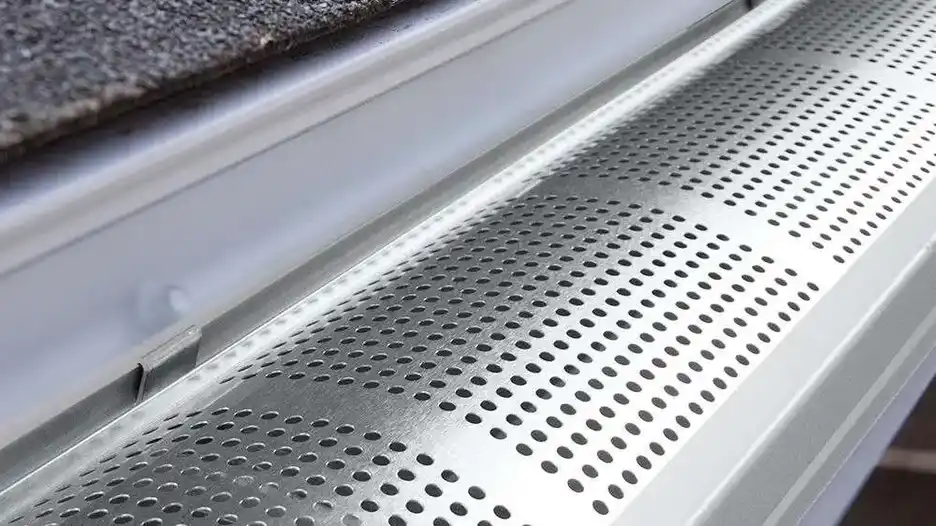
Quick answer: Gutter guards help keep leaves and twigs out and cut how often you clean, but none is maintenance-free: fine debris can still build up on top. Mesh, gutter foam, surface-tension and brush guards each work differently, so choose the type to suit your roof, your trees and your budget.
Auckland has a wet climate, frequent storms and plenty of tree-lined streets, so a blocked gutter is a common problem. Gutter guards promise a low maintenance gutter system, and the honest answer is that they work, with limits.
This guide explains how each type works, where it fails, what to weigh before you buy and when regular cleaning is the better choice for your project.
Do gutter guards really work?
Yes, gutter guards work for what they are designed to do: they keep large debris such as leaves, twigs and pine needles out of the gutter and so cut how often you need to clean. They do not remove the need for maintenance.
Fine debris such as dirt, pollen and seed pods can still settle on top of or pass through a guard, and a guard that is poorly fitted can lift in wind or let debris in at the edges. Treat a guard as a way to clean less often, not as a way to stop cleaning.
What types of gutter guards are there?
There are five common types of gutter guard, and each blocks debris in a different way. The table compares how they work and where they struggle.
| Type | How it works | Where it struggles |
|---|---|---|
| Mesh | A metal or plastic screen sits over the gutter and lets water through the holes | Fine debris can pass through or build up on top; cheaper plastic can crack in sunlight |
| Foam insert | A porous block sits in the channel and water soaks through it | Fine debris, trapped moisture and heavy downpours |
| Surface tension (reverse curve) | A curved cover makes water cling to the surface and drop into a narrow slot | Tiny particles, strong wind and a higher price |
| Brush | A bristle tube sits in the channel and traps debris while water flows around it | Needs regular cleaning, so it saves less time |
| Plastic grid | A grid with larger holes sits over the gutter | Heavy leaf fall and small debris |
How well do mesh gutter guards work?
Mesh guards work well against larger debris, such as deciduous leaves and pine needles, because they filter it out while water passes through the holes.
Their weak point is fine material. Dirt, pollen and seed pods can slip through or collect on top, so you will still need to clean occasionally, and in heavy rain water may overshoot the gutter if debris builds up on the screen. Mesh is affordable, widely available and suits homes where larger debris is the main problem. Metal mesh generally lasts better than cheap plastic, which can crack when exposed to the sun.
Does gutter foam work?
Gutter foam works as a budget fix: a foam block fits inside the gutter, debris stays on top and water soaks through. It is decent at stopping leaves and twigs but struggles with finer debris.
The downside is moisture. In Auckland’s humid climate, damp foam can hold moisture and encourage mould and moss, and standing water can attract pests such as mosquitoes. Foam also saturates in heavy downpours and generally has a shorter working life than metal systems. It suits rentals or temporary fixes where cost matters more than longevity, and it should be checked and replaced when it breaks down.
How do surface tension gutter guards work?
Surface tension guards, also called reverse-curve or helmet-style guards, curve over the front of the gutter so that rainwater clings to the curve and flows into a narrow slot while leaves slide off the edge.
They handle heavy rain and larger debris well and are visually unobtrusive, which is why they are common on modern homes. Tiny particles and strong wind can still cause minor build-up, and the price is higher because the design is more precise. Fit matters more with these guards than with any other type, so they are usually installed by a professional.
What about brush guards and plastic grids?
Brush guards and plastic grids are the cheapest options, and they trade price for effort. A brush guard looks like a giant bottle brush, sits in the channel and traps debris while water flows around the bristles.
Brushes are cheap and easy to fit but need regular cleaning, so they save less time than other types. Our review of whether gutter brushes are any good covers them in detail. Plastic grids resemble mesh with larger holes, and they cope with light debris but struggle in heavy leaf fall.
What do gutter guards cost?
The cost of gutter guards depends on the type, the length of guttering and whether they are professionally installed, so there is no single price for every house. Foam inserts and brushes are the cheapest, while mesh and surface tension systems cost more and last longer.
Ask for an itemised written quote that states the guard type, the length covered and the warranty, and compare it with the cost of regular cleaning. See our cost calculator for a guide to gutter work, and the gutter maintenance service for what we do.
When are gutter guards worth it?
Gutter guards pay off fastest where trees overhang the roof or where you want to cut how often you clean. The table sets out the situations where they make sense and where they do not.
| Situation | Guards worth it? | Why |
|---|---|---|
| Pohutukawa, pine or deciduous trees close to the roof | Usually yes | Heavy leaf and needle fall blocks an open gutter quickly |
| Rentals and commercial buildings | Often yes | Fewer blockages and less time on call-outs and cleaning |
| Few trees and clear surroundings | Often no | Regular cleaning may cost less than the guards |
| A tight budget with few clogs | Often no | The upfront cost is hard to recover when blockages are rare |
How do you choose the right gutter guards?
Choose a guard by matching it to your roof, your trees and how much upkeep you will accept, rather than by price alone.
- Roof type. Steeper roofs shed water quickly, which suits surface tension guards; flatter roofs often work well with mesh or foam.
- Debris. Heavy leaf fall calls for a more robust system, while light debris may only need a basic guard.
- Budget. Foam is cheapest upfront; metal mesh and surface tension guards usually give better longevity.
- Maintenance tolerance. If you dislike upkeep, choose a guard that comes with a longer warranty.
- Wind and rain. Auckland’s frequent rain and gusts favour guards that handle high water flow and stay secure.
Should you fit gutter guards yourself or hire a professional?
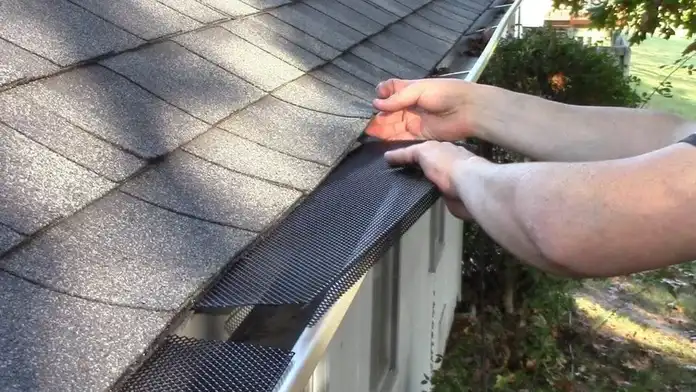
Foam inserts and some mesh guards are suitable for a careful homeowner, but fitting guards means working at height, so safety comes first. Read WorkSafe’s guidance on working at height before you climb a ladder.
The risk of doing it yourself is improper fitment: gaps let debris in, and a loose guard can lift in a storm. Surface tension guards and high-end mesh systems benefit from professional installation because a tight seal is what makes them work. For a rental or commercial building, that reliability is usually worth the extra cost.
What do gutter guards not fix?
Gutter guards do not fix a gutter that is the wrong size, has no fall or leaks at the joints, and they do not stop downpipes blocking from below.
- A gutter that overflows when clean has a design problem, not a debris problem. See why gutters overflow even when they are clean.
- Debris that gets past the guard still collects in the channel and the downpipe, so an annual check is still needed.
- Moss, roof granules and fine silt build up on top of guards over time and need brushing off.
- Gutter capacity is a design question under Building Code clause E1, which is a job for an installer rather than a guard.
Which gutter guard myths should you ignore?
Two myths come up often, and both are half-true. Knowing the real picture helps you avoid paying for the wrong thing.
- “They are too expensive to justify.” In high-debris areas the saving in cleaning can outweigh the cost over time; in low-debris areas it often does not.
- “They do not work in heavy rain.” Quality guards handle heavy rain well, while poorly designed ones let water overshoot.
Sources and further reading: WorkSafe: working at height · Building Code clause E1 – surface water (building.govt.nz) · Building Code clause E2 – external moisture (building.govt.nz)
Related guides: How to install metal gutter guards · The essential guide to cleaning gutters · Gutter services in Auckland
Conclusion
Gutter guards do work: they cut blockages and the time you spend cleaning, but they are not flawless and no system is truly maintenance-free. Choose the type to suit your roof and trees, have surface tension and high-end mesh guards professionally fitted, and keep an annual check in your routine.
Frequently Asked Questions
How do gutter guards work?
Gutter guards sit over or inside the gutter and let water through while keeping leaves, twigs and pine needles out. Mesh and plastic grids filter from above, foam and brushes sit in the channel, and surface tension guards guide water around a curve.
Are gutter guards worth it in Auckland?
They are worth it where trees overhang the roof or you want to clean less often, and less so on a clear site with few clogs. Compare an itemised quote with the cost of regular cleaning before you decide.
Do gutter guards stop all cleaning?
No. Fine debris, moss and silt can still build up on or under a guard and in the downpipes, so you will clean less often but not never. An annual check keeps the system working.
Which type of gutter guard is best for Auckland homes?
Stainless steel mesh and surface tension guards suit most leafy sites because they handle heavy rain and larger debris well, and a professional fit matters more than the brand. Foam suits a temporary or low-cost fix.
Can gutter guards cause problems?
Poorly fitted guards can lift in wind or let debris in at the edges, and foam can hold moisture and encourage mould. Choose the right type for the roof and have it installed correctly to avoid both.
Gutter Help Across Auckland
Reading up is a smart first step, but every Auckland property is a little different. For advice tailored to your own home, My Homes Construct Ltd offers free assessments and written quotes for gutter cleaning, repair and replacement across all Auckland regions and suburbs.
We respond to enquiries the same business day, explain your options in plain language, and stand behind every job with a workmanship warranty — no pressure and no hidden costs.
When to Call a Professional
The trickiest part of any gutter cleaning, repair and replacement project is often knowing when to stop and call someone in. Warning signs worth taking seriously include recurring problems, damage that keeps spreading, anything involving safety or access at height, and work that touches the structure of your home.
In those situations a professional opinion pays for itself. We're always happy to take a look and tell you straight whether it's something you can manage yourself or a job better left to a registered building company — with no obligation either way.
Timing It Right in Auckland
One thing worth keeping in mind with gutter cleaning, repair and replacement in Auckland is how much the seasons shape the right approach. Coastal exposure, humidity and sudden downpours all affect both the work itself and how long the result lasts, so the best time to act isn't always obvious from the kerb.
Booking early in the season also means more flexibility on dates and fewer surprises. We're happy to map out sensible timing with you at no cost, so the job lands when conditions — and your budget — are right.
A Quick Checklist for Auckland Homeowners
Whatever you decide to do next, a few simple principles will save you money and stress on any gutter cleaning, repair and replacement job in Auckland.
- Act early — Auckland's wet, humid climate turns small problems into expensive ones faster than most people expect.
- Get it in writing — a clear, itemised written quote protects you and makes comparing options straightforward.
- Check it's a registered building company — it matters for quality, consent and warranty cover.
- Ask about the warranty — reputable Auckland tradespeople stand behind their workmanship, not just the materials.
- Think long-term value, not just the cheapest price — the lowest quote is rarely the best value once durability is factored in.
Keep these in mind and you'll avoid the most common — and most costly — mistakes we see on Auckland properties.
Need Professional Help in Auckland?
My Homes Construct Ltd provides expert gutter and full home-improvement services across all Auckland suburbs. Get a free, no-obligation quote today.
This guide is published by the My Homes Construct Ltd home page — a registered Auckland building company covering gutters, roofing, renovation, painting, decks and civil construction.