
How Gutters Are Attached: A Step-by-Step Guide for Homeowners
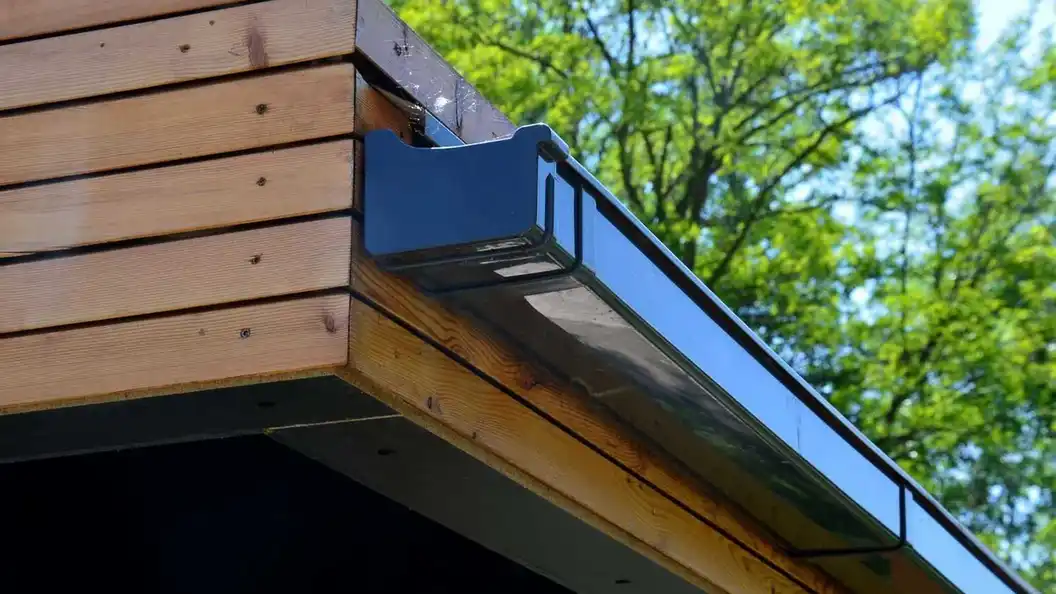
Quick answer: Gutters are attached by fixing brackets or hangers evenly along the fascia board with a slight fall towards the downpipes, then fitting the gutter lengths, sealing the joints and connecting the downpipes. Test the system with a hose afterwards. Working at height is risky, so use a stable ladder or hire a professional.
How gutters are attached decides whether rain leaves your house or soaks it. This guide explains the parts, the materials used on Auckland homes, what you need and the steps in the order they are done.
How are gutters attached to a house?
Gutters are attached by fixing brackets or hangers along the fascia board at a slight fall towards the outlet, clipping or sliding the gutter lengths into them, sealing every joint and connecting the downpipes. Each part has one job, and a failure in any of them shows up as a leak, a sag or an overflow.
| Part | What it does |
|---|---|
| Gutter trough | Collects the water that runs off the roof |
| Brackets or hangers | Hold the trough to the fascia and carry its weight when it is full |
| Joiners and sealant | Connect the lengths so water cannot escape at the joints |
| End caps and corners | Close the ends of the run and turn it around the building |
| Outlet and downpipe | Carry the water down and away to the stormwater connection |
Which gutter materials are used on Auckland homes?
Four materials cover most Auckland jobs, and the right one depends on your budget, your site and the age of the house.
| Material | Where it suits |
|---|---|
| PVC | The budget option for straightforward roofs |
| Colorsteel | The usual choice for most Auckland homes |
| Aluminium | Chosen for coastal sites where salt air attacks other metals |
| Copper | Used on heritage homes where appearance matters most |
Our gutter replacement service explains the options for your house, and the material you choose changes how the brackets and joints are fitted.
What should you check before attaching gutters?
Check the fascia, the roof edge and where the water will go before you fix a single bracket. Attaching a new gutter to a rotten board only hides the problem for a season.
- The fascia. It must be sound and straight, because the brackets are screwed into it.
- The roof edge. The roofing should overhang the gutter so water goes in the trough, not behind it.
- The stormwater connection. Where the downpipes discharge matters, so check Building Code clause E1 for surface water and any Auckland Council requirements.
- The roof shape. Complex rooflines, valleys and steep pitches may need custom outlets or extra downpipes.
What tools and materials do you need to attach gutters?
You need safe access at height, basic measuring and fixing tools, and the gutter parts themselves. Gather everything before you climb, and use the fixings and sealant the gutter maker specifies.
- Access. A stable ladder on firm ground, or scaffolding for a second storey.
- Marking and measuring. A tape measure, a level and a chalk line.
- Fixing and cutting. A drill or driver, and tin snips or a hacksaw for metal gutters.
- Gutter parts. Gutter lengths, brackets or hangers, joiners, end caps, outlets and downpipe components.
- Fixings and sealant. The screws and sealant specified for your gutter material.
How do you attach gutters step by step?
Work along the roofline in the order below, and finish by testing the system with water before you take the ladder down.
- Make the work safe. Set the ladder or scaffold on firm ground and work with a second person. A fall from height is the main risk on this job.
- Measure and mark the fall. Measure the run, then snap a chalk line on the fascia with a slight, even fall towards the outlet, as the gutter maker specifies.
- Fix the brackets. Screw the brackets into the fascia along the line at the spacing the manufacturer gives (see how far apart gutter hangers should be).
- Fit the gutter lengths. Cut the lengths to size, set them into the brackets and join them with the correct joiners.
- Seal the joints. Seal each joint and end cap with the sealant the manufacturer specifies, and let it cure.
- Connect outlets and downpipes. Fit the outlets, then the downpipes, so the water discharges well away from the foundation.
- Test with a hose. Run water through the system, watch each joint and outlet, and adjust any low spot or leak.
What should you check after the gutters are attached?
Check the whole system once the work is finished, and again after the first heavy rain.
- Every bracket is tight and the gutter is not moving when pushed.
- Water runs towards the outlets with no standing water in the trough.
- No joint, end cap or outlet drips.
- Each downpipe discharges clear of the foundations.
What challenges are specific to Auckland homes?
Auckland’s heavy rain, overhanging trees and humid air each ask something different of a gutter system.
- Heavy rain. Gutters and downpipes must be sized and positioned to cope with downpours; the installer or maker decides this, not a rule of thumb.
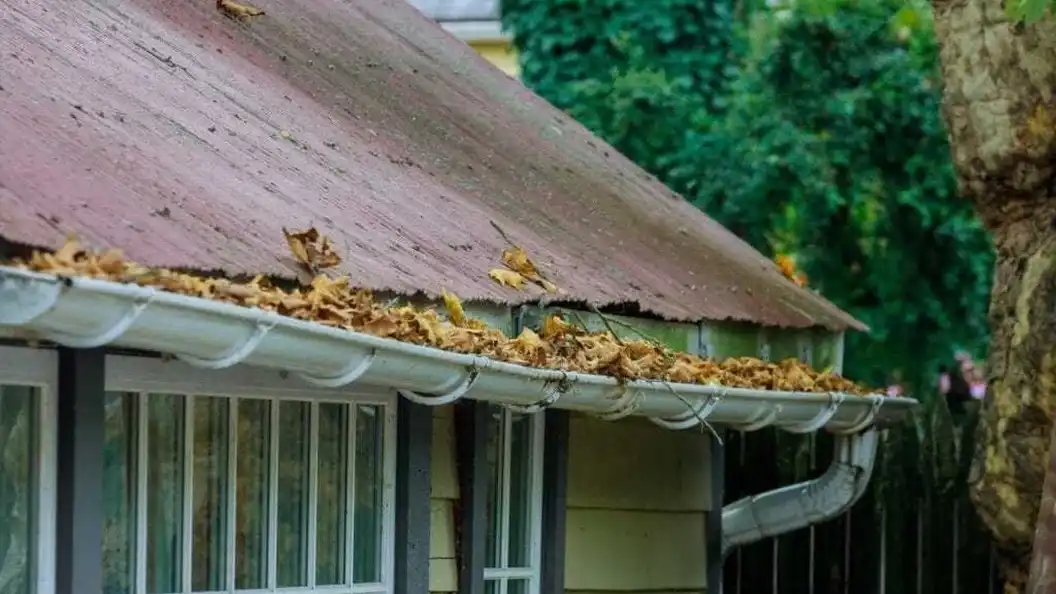
- Leaves and debris. Houses under trees block quickly; our guide to whether gutter guards really work compares the options.
- Salt air and humidity. Coastal homes need a material that suits the exposure, which is why aluminium is often chosen there.
Should you attach gutters yourself or hire a professional?
A confident DIYer can attach gutters on a single-storey house, but mistakes in fall, bracket spacing or sealing lead to leaks and overflow that cost more to correct than the job saved.
A professional brings the right access, the correct fixings and a guarantee, and is the sensible choice for a second storey, a complex roofline or a heritage home. Our guide on how to choose a gutter service in Auckland explains what to ask for in a quote.
How do you maintain gutters so they last?
Regular maintenance is what keeps newly attached gutters working.
- Clear leaves and debris at least twice a year, and after storms.
- Check for sagging, leaks and corrosion, and repair small faults promptly.
- Keep branches trimmed back from the roof edge.
Our gutter maintenance and repairs guide covers what to look for in each season. If you are fixing the gutters as part of your project, plan the fascia work first.
Sources and further reading: WorkSafe: working at height · Building Code clause E1 – surface water (building.govt.nz) · Building Code clause E2 – external moisture (building.govt.nz)
Related guides and services: how to install gutter brackets · how to install gutter hangers · gutter services in Auckland
See a real job: a metal fascia and new metal gutter with downpipes fitted on a two-storey Kumeu home
Conclusion
Properly attached gutters protect an Auckland home from water damage, and the work comes down to a sound fascia, evenly spaced brackets, a consistent fall and sealed joints. Follow the manufacturer’s instructions, test the system with water and keep it clear, or hire a professional if the job is at height or complex.
Frequently Asked Questions
How often should newly installed gutters be cleaned?
At least twice a year, once in spring and once in autumn, to remove the leaves and debris that build up and block the flow of water. Check them again after a heavy storm.
Can I attach gutters myself?
Yes, if you are comfortable working at height and have the right tools and a second person. Otherwise hire a professional, especially for a second storey, a complex roofline or an older house.
Which gutter material is easiest to attach on an Auckland home?
PVC is the easiest to cut and join and is the budget option, while Colorsteel suits most Auckland homes. Your roof, site and budget should guide the final choice, so check the options before you buy.
What fall should a gutter have?
A slight, even fall towards the outlet. The exact figure comes from the gutter manufacturer’s instructions and Building Code clause E1, so follow those rather than a rule of thumb.
What do gutters attach to?
Gutters are normally fixed to the fascia board with brackets or hangers, and the fascia has to be sound enough to carry the weight of a full gutter. Rotten fascia should be repaired before new gutters go on.
Gutter Help Across Auckland
Reading up is a smart first step, but every Auckland property is a little different. For advice tailored to your own home, My Homes Construct Ltd offers free assessments and written quotes for gutter cleaning, repair and replacement across all Auckland regions and suburbs.
We respond to enquiries the same business day, explain your options in plain language, and stand behind every job with a workmanship warranty — no pressure and no hidden costs.
When to Call a Professional
Plenty of gutter cleaning, repair and replacement tasks are fine to tackle yourself, but it's worth knowing where the line is. If a job involves working at height, structural elements, water getting where it shouldn't, or anything you're not fully confident about, bringing in a professional is usually cheaper than fixing a DIY attempt that didn't hold up.
A good tradesperson also spots the things an untrained eye misses — the early warning signs that turn a small job today into a major repair next winter. If you're in any doubt, a free assessment costs nothing and gives you a clear, honest picture before you commit to anything.
Timing It Right in Auckland
Timing matters more than most Auckland homeowners realise with gutter cleaning, repair and replacement work. The drier spells from late spring through summer are ideal for anything weather-sensitive, while the wetter winter months are when hidden faults tend to reveal themselves — which makes autumn a smart time for a preventative check before the rain sets in.
Planning ahead also means you're not scrambling for an emergency call-out at the worst possible moment. A quick seasonal inspection costs little and often catches the small issues that would otherwise become urgent — and expensive — repairs once Auckland's weather turns.
A Quick Checklist for Auckland Homeowners
Whatever you decide to do next, a few simple principles will save you money and stress on any gutter cleaning, repair and replacement job in Auckland.
- Act early — Auckland's wet, humid climate turns small problems into expensive ones faster than most people expect.
- Get it in writing — a clear, itemised written quote protects you and makes comparing options straightforward.
- Check it's a registered building company — it matters for quality, consent and warranty cover.
- Ask about the warranty — reputable Auckland tradespeople stand behind their workmanship, not just the materials.
- Think long-term value, not just the cheapest price — the lowest quote is rarely the best value once durability is factored in.
Keep these in mind and you'll avoid the most common — and most costly — mistakes we see on Auckland properties.
Need Professional Help in Auckland?
My Homes Construct Ltd provides expert gutter and full home-improvement services across all Auckland suburbs. Get a free, no-obligation quote today.
This guide is published by Auckland construction and home renovation company — a registered Auckland building company covering gutters, roofing, renovation, painting, decks and civil construction.