
Peeling Exterior Paint in NZ: Causes, How to Fix It and Lead Safety
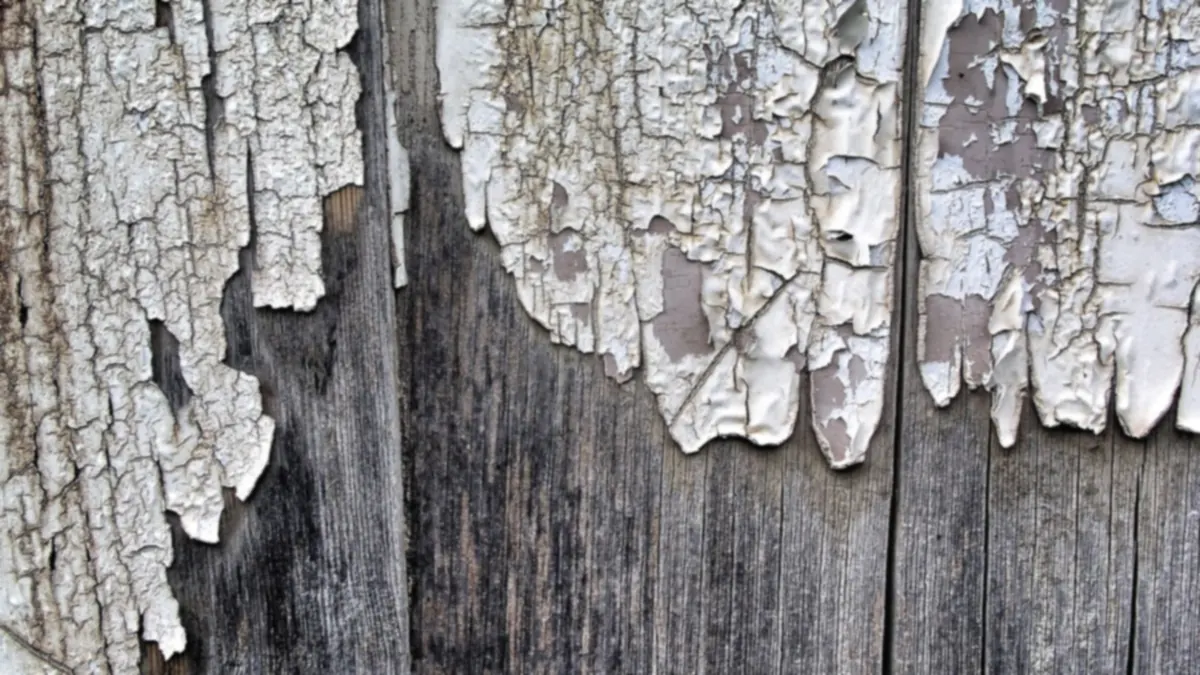
Quick answer: Peeling exterior paint is nearly always caused by poor surface preparation or moisture getting into the substrate, so repainting over it will fail again. Find the cause, fix the moisture source, scrape back to sound paint, prime bare areas and repaint. On houses built in the 1980s or earlier, treat the paint as possibly leaded before you scrape.
This guide shows how to work out why your paint is failing, how to repair it properly and which removal methods are safe where lead may be present.
Why is exterior paint peeling?
Exterior paint peels when it loses its grip on the surface, and the cause is nearly always moisture, preparation or age.
| Cause | What it looks like |
|---|---|
| Moisture getting behind the coating | Blisters, bubbling, peeling that follows leaks, board ends or end grain |
| Poor surface preparation | Flaking in patches where dirt, chalk or loose paint was left under the new coat |
| Painting over damp or dewy surfaces | Early peeling or blistering shortly after the job |
| Old, chalky or exhausted paint | General chalking, cracking and flaking across an elevation |
| Rot or movement underneath | Peeling in the same place that feels soft or moves |
| Incompatible paint | New coating that lifts in sheets over the old |
Repainting over any of these without fixing the cause simply buries the problem under a new layer.
On plaster-clad houses, see painting plaster cladding.
How do you work out the real cause of the peeling?
You work out the cause by looking at where the paint is failing and what is happening behind it.
- Pattern. Failure at board ends, joints, mitres and below windows points to moisture entry through end grain and joints, according to BRANZ.
- Aspect. Heavy failure on north and west walls points to UV and age; failure on shaded walls points to moisture and mould.
- Moisture sources. Check for overflowing gutters, leaking downpipes, soil or garden against the wall and plumbing leaks.
- Softness. Press a screwdriver tip into the timber. Soft wood is rot, and paint will not fix it.
- Adhesion. Do a tape test: if paint flakes come off with the tape, it should be removed.
How do you fix peeling exterior paint properly?
You fix peeling paint by curing the cause first, then scraping back to sound paint, priming and recoating.
- Stop the moisture. Repair leaks, clear gutters and fix any rot before coating.
- Check for lead. If the house is old, apply the safety precautions below before scraping or sanding.
- Scrape back. Remove all loose and poorly adhered paint to sound edges.
- Sand and feather. Smooth the edges so the old paint steps do not show through.
- Prime bare areas. Seal exposed timber or substrate straight after sanding to prevent degradation.
- Fill and seal. Fill defects and seal moving joints with a flexible sealant.
- Topcoat. Apply two full coats of a system suited to the substrate.
If the failure is widespread, the whole elevation needs preparation, not just patches. Our exterior painting service deals with that and the carpentry that comes with it.
The full preparation order is in exterior paint preparation, and weather windows in the best time to paint a house exterior.
Is the paint on your home likely to contain lead?
It might be, and you cannot tell by looking, so treat paint on a house built in the 1980s or earlier as suspect until tested.
WorkSafe says that if a building was built in the 1980s or earlier, it is best to presume that it has been painted with lead-based paint. Health NZ adds that, until 1965, many paints on the New Zealand market had high lead levels, and that lead can be under newer coats on recently painted buildings. BRANZ says white lead in paint was officially banned in New Zealand in 1979, although older layers may still contain lead. A test kit or specialist can confirm it.
Which paint removal methods are safe if lead may be present?
Wet and low-dust methods are safest when lead may be present, and dry sanding, water blasting and open flame should be avoided.
| Recommended where lead may be present | Avoid where lead may be present |
|---|---|
| Wet scraping, collecting debris on a drop sheet | Dry sanding |
| Wet sanding | Water blasting |
| Chemical stripper, followed by wet sanding | Torch or open flame burning |
| Low-temperature heat gun | Abrasive blasting |
| Dry power sanding with a HEPA vacuum attachment |
Wear a properly fitted respirator, keep doors and windows closed, collect all debris, keep children and pets away and wash before eating. Read WorkSafe’s guidance and Health NZ’s guidance, and use BRANZ Bulletin 633 for the methods.
How do you stop paint peeling again?
You stop paint peeling again by keeping water out, washing the surface regularly and repainting before the coating fails.
- Keep water away. Maintain gutters and downpipes, and keep soil and plants off the walls.
- Wash annually. BRANZ recommends annual washing to remove dirt, salt spray, moss and mildew.
- Repaint on time. Repaint when the paint becomes chalky or shows early failure, particularly on timber.
- Inspect end grain and joints. Check board ends and mitres, where BRANZ says failure begins.
- Repair rot straight away. Do not let a small soft patch turn into a board replacement.
For gutters and paint together, our guide to clean gutters and long-lasting exterior paint explains the link, and weatherboard painting covers repairs specific to timber.
What should a quote for fixing peeling paint include?
A good quote for fixing peeling paint names the cause it found and the steps it will take to fix it.
- Diagnosis. What the painter thinks caused the failure, and the evidence.
- Repairs. Carpentry or moisture repairs that come before coating, priced separately.
- Preparation. Scraping, sanding, priming and filling, by elevation.
- Lead precautions. The method and containment where the house is old.
- System and warranty. The coating system and the terms of the workmanship and manufacturer cover.
Warranties cover coating performance, not building faults underneath it, which is why the diagnosis line matters.
Can you just paint over peeling paint?
No. Painting over peeling paint fails again, usually within a season, because the new coat is only as strong as the layer under it.
Loose paint, chalk, mould and dirt must be removed, and any moisture source fixed. Coating over soft or rotten timber seals moisture in rather than out. Where rot is found it should be repaired or replaced before coating, and a good painter will quote the carpentry as a variation. Preparing properly is slower, but it is the only version that lasts.
Sources
These are the primary New Zealand sources behind the facts in this guide.
Conclusion
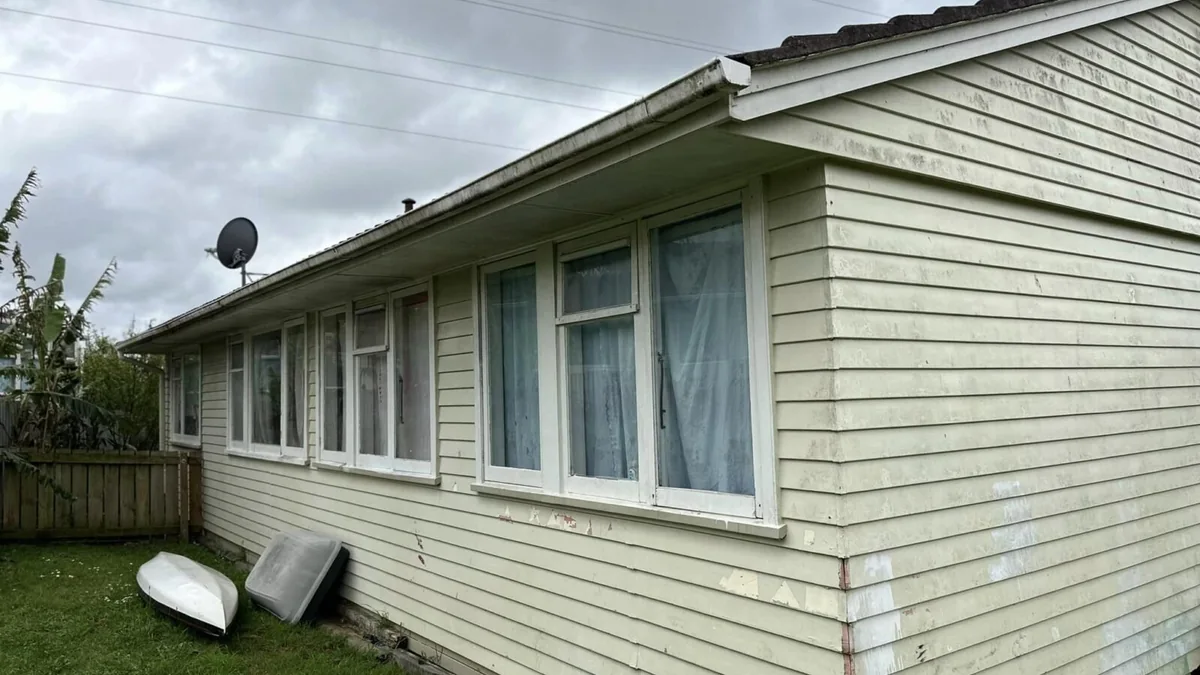
Peeling paint is a symptom. Find the moisture or preparation fault, fix it, remove everything that is not sound and then recoat. If your house is old, protect yourself and your family from lead dust before any scraping or sanding begins.
Frequently Asked Questions
Why is my new paint already peeling?
Early peeling usually points to preparation or conditions at application: dirt, chalk or loose paint left underneath, or coating applied over a damp or dewy surface. Moisture entering from behind can also lift a good coating within a season or two.
Can I just scrape the loose bits and repaint?
Only if the failure is in small areas and the rest of the paint passes a tape test. Scrape back to sound edges, sand, prime bare timber and repaint. Widespread failure means the whole elevation needs preparation, and on old houses lead precautions apply.
Is blistering paint the same as peeling?
They are related. Blisters form when moisture or heat pushes the coating up from the substrate, and they often turn into peeling. Both point to moisture or preparation problems, so find where the water is coming from before recoating.
Do I need a licensed person to remove lead paint?
There is no licensing regime for lead paint like the one for asbestos, but WorkSafe and Health NZ set out precautions and recommended methods. A professional painter should plan containment, dust control and safe disposal, and tell you about it in the quote.
Painting Help Across Auckland
Need a hand putting this into practice? My Homes Construct Ltd delivers interior and exterior painting services throughout Auckland, from the North Shore through to South Auckland, with the local knowledge to get the details right the first time.
Get in touch for a free, no-obligation quote. You'll deal with the same registered building company team across your whole project, with quality materials and a workmanship warranty as standard.
When to Call a Professional
The trickiest part of any interior and exterior painting project is often knowing when to stop and call someone in. Warning signs worth taking seriously include recurring problems, damage that keeps spreading, anything involving safety or access at height, and work that touches the structure of your home.
In those situations a professional opinion pays for itself. We're always happy to take a look and tell you straight whether it's something you can manage yourself or a job better left to a registered building company — with no obligation either way.
Timing It Right in Auckland
Timing matters more than most Auckland homeowners realise with interior and exterior painting work. The drier spells from late spring through summer are ideal for anything weather-sensitive, while the wetter winter months are when hidden faults tend to reveal themselves — which makes autumn a smart time for a preventative check before the rain sets in.
Planning ahead also means you're not scrambling for an emergency call-out at the worst possible moment. A quick seasonal inspection costs little and often catches the small issues that would otherwise become urgent — and expensive — repairs once Auckland's weather turns.
A Quick Checklist for Auckland Homeowners
Whatever you decide to do next, a few simple principles will save you money and stress on any interior and exterior painting job in Auckland.
- Act early — Auckland's wet, humid climate turns small problems into expensive ones faster than most people expect.
- Get it in writing — a clear, itemised written quote protects you and makes comparing options straightforward.
- Check it's a registered building company — it matters for quality, consent and warranty cover.
- Ask about the warranty — reputable Auckland tradespeople stand behind their workmanship, not just the materials.
- Think long-term value, not just the cheapest price — the lowest quote is rarely the best value once durability is factored in.
Keep these in mind and you'll avoid the most common — and most costly — mistakes we see on Auckland properties.
Need Professional Help in Auckland?
My Homes Construct Ltd provides expert painting and full home-improvement services across all Auckland suburbs. Get a free, no-obligation quote today.
This guide is published by Auckland home renovation and construction services — a registered Auckland building company covering gutters, roofing, renovation, painting, decks and civil construction.