
Roof Maintenance Checklist for Auckland Homes: What to Check and How Often
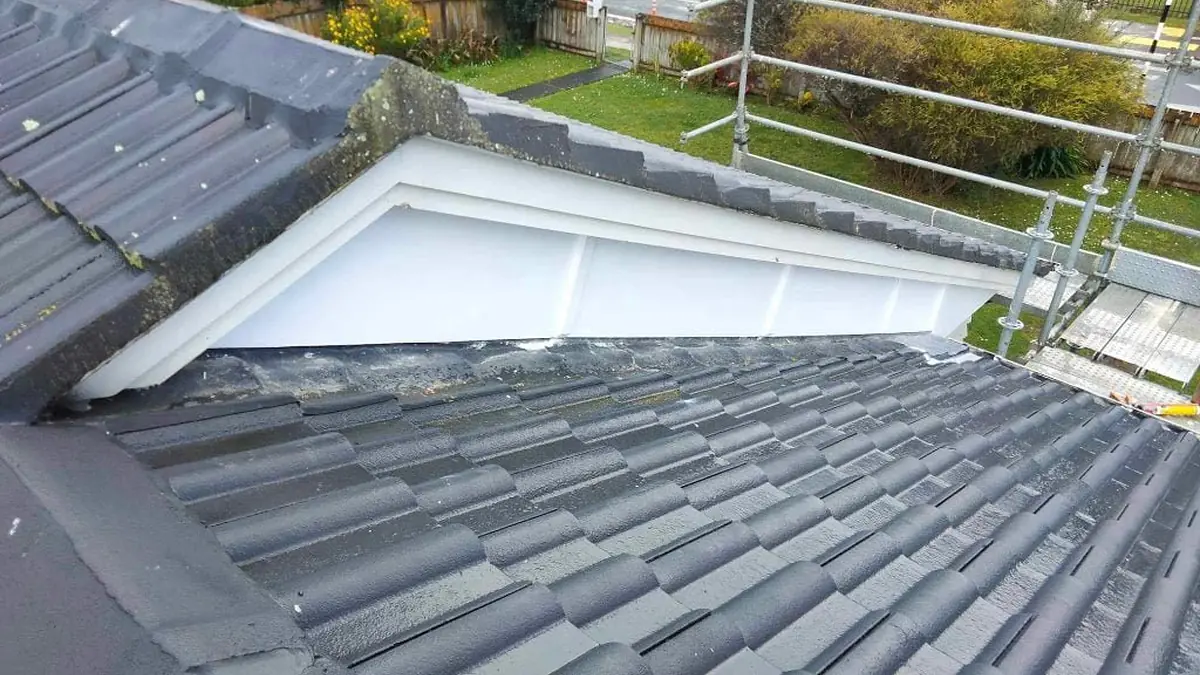
Quick answer: A roof maintenance checklist for an Auckland home has four parts: inspect from the ground and the roof space twice a year, clear gutters and valleys, clean and treat the roof every two to three years, and fix small defects before winter. Never walk the roof yourself; leave anything that needs access to a trained roofer.
Use the table to see what to check and how often, then follow the steps for a safe inspection and the guidance on what to act on straight away.
What should a roof maintenance checklist include?
A good checklist covers the roof surface, the junctions, the drainage and the roof space, each at a sensible interval.
| Task | How often | Who does it |
|---|---|---|
| Look over the roof from the ground with binoculars | Twice a year and after severe weather | You |
| Check the roof space for daylight, damp and stained underlay | Once a year, on a dry day | You |
| Clear gutters, valleys and downpipe outlets | At least twice a year; more under trees | You, or a gutter service |
| Trim branches that overhang or touch the roof | Yearly | You or an arborist |
| Clean the roof and treat moss and lichen | Every two to three years; yearly under trees or on shaded south slopes | A roofing contractor |
| Inspect flashings, ridge caps and fixings up close | Every few years, or when you see a defect | A roofing contractor |
Our roof cleaning service and roof moss treatment cover the contractor tasks.
Treat this table as a roof maintenance schedule you can keep with your warranty papers. An annual roof inspection by a contractor is a sensible baseline, and roof cleaning frequency depends on tree cover and aspect, as covered below.
Before the wetter months, use the pre-winter roof checklist to decide which of these tasks to do first.
How do you inspect your roof safely, step by step?
You inspect a roof safely by staying on the ground and in the roof space, and by treating the roof surface as off limits.
- Pick a dry, bright day. Wet roofs are slippery and defects are harder to see.
- Walk around the house with binoculars. Look for slipped or cracked tiles, lifted flashings, rust streaks, missing ridge mortar and sagging lines.
- Check the gutters from a stable position. Look for overflow marks on the fascia and walls, and plants growing in the gutter.
- Go into the roof space. Look for daylight, damp timber, tide marks and stained underlay.
- Photograph and date what you find. Dated photos help a roofer quote accurately and help an insurer if you need to claim.
WorkSafe’s guidance on roofs includes a fact sheet on inspecting and measuring a roof remotely, which is the approach to copy.
How often should an Auckland roof be cleaned and treated?
Most Auckland roofs benefit from professional cleaning every two to three years, and roofs that stay damp need it more often.
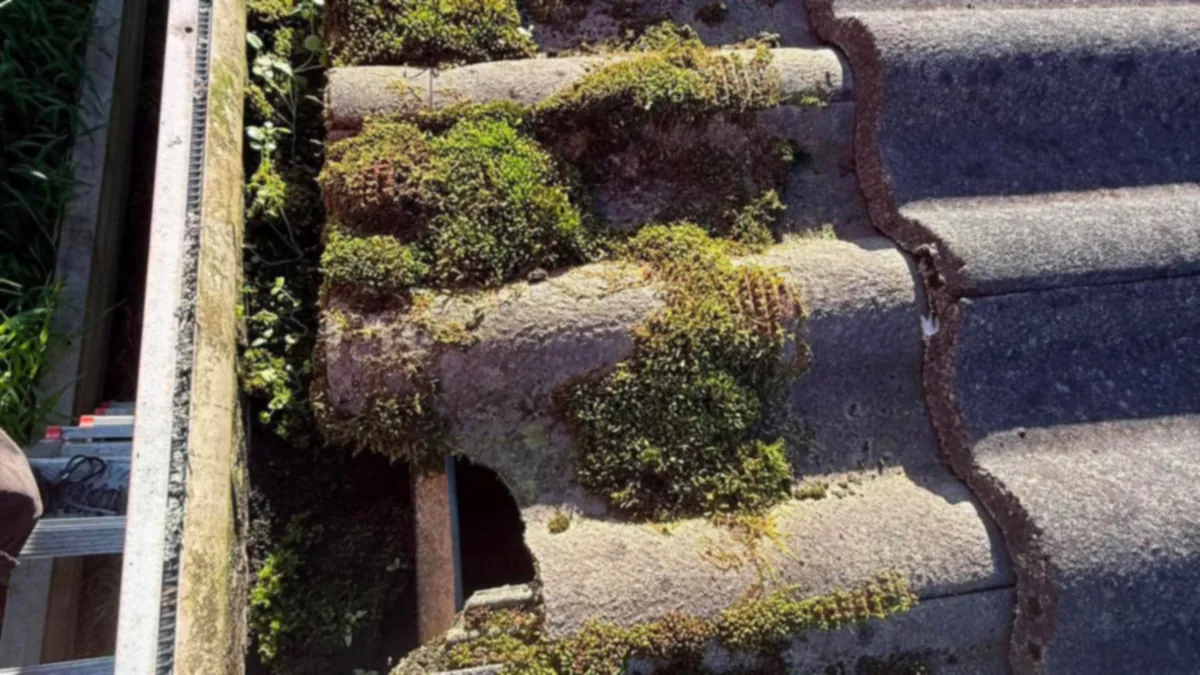
Roofs with heavy tree cover, or slopes that face south and never dry out, may need cleaning every year to stop moss and lichen taking hold. Treating growth early costs far less than replacing a coating that moss has already worked through. Be cautious about aggressive high-pressure blasting, because it can drive water under laps and strip the surface off concrete tile. Soft washing with the right treatment cleans the roof without that damage.
Our sister brand also covers this work: Roofing Expert’s roof cleaning service uses soft-wash methods and, like this guide, suggests a professional clean every two to three years.
Which roof problems cannot wait until spring?
Anything that lets water into the roof space should be dealt with before the next serious rain.
- Cracked or slipped tiles. Under a tile there is only underlay, and in Auckland rain it fails quickly once it stays wet.
- Rust that is breaking through sheets. Rust perforating from underneath is a replacement signal, not a paint problem.
- A visible dip in the roofline. It usually points to the structure underneath and gets worse the longer it is left.
- Stains on more than one ceiling. Staining that spreads usually means a path for water that is already established.
If water is already coming in, use our emergency roof leak checklist.
Rust and junction failures are covered in rusty roof repair and the roof flashing guide.
How do gutters and trees affect your roof?
Gutters and trees affect the roof because blocked drainage and constant leaf fall hold moisture against it.
The New Zealand Metal Roofing Manufacturers installation guide says gutters must drain completely and that regular cleaning is required, because debris that stays wet against the metal can lead to early corrosion. It also does not recommend permanent leaf guards, noting that fine particles still collect and that a guard which traps debris against steel is an exclusion in the product warranty. Our guide to neglected gutters and roof repairs shows how the damage builds.
What does roof maintenance cost in Auckland?
Regular maintenance costs a small fraction of a repair or replacement, and the published starting prices are modest.
| Service | Published guide |
|---|---|
| Roof cleaning | From $300 for a standard roof; typically up to $1,400 for larger or more heavily affected roofs |
| Moss and lichen treatment | From $250; typically up to $1,400 depending on size and severity |
| Roof repairs | $150 to $1,800 depending on the defect |
Prices depend on roof size, pitch and how much growth has taken hold, and inspections and quotes are free.
Does maintenance affect your roof warranty?
Yes, maintenance is often a condition of the manufacturer’s warranty, so keeping a record protects your cover.
The metal roofing manufacturers state that metal roofing needs a small amount of ongoing maintenance to meet its durability requirements and fulfil the product warranty. NZ Steel’s bulletin also links durability to regular washing, and says areas the rain does not reach need manual washing. Keep invoices and dated photos of cleaning and repairs with your warranty papers. See the NZ Steel maintenance bulletin for your environment category.
The roof warranty guide sets out what manufacturers and installers typically require.
Sources
These are the primary New Zealand sources behind the facts in this guide.
Conclusion
Roof maintenance is mostly looking, cleaning and acting early. Check from the ground, clear the gutters, clean the roof every few years and fix small defects before winter. Keep dated photos and invoices, and call a roofer for anything that needs you on the roof.
Frequently Asked Questions
How often should I get my roof inspected?
Look from the ground twice a year and after severe weather, and have a roofer inspect up close every few years or whenever you notice a defect. Roofs under trees, near the coast or with shaded slopes deserve a closer routine.
Is it safe to walk on my roof to check it?
No. Tile roofs crack under foot in places you cannot see, steel roofs are slippery and have load limits, and falls from roofs cause serious injuries. Use binoculars from the ground and the roof space, and leave access work to trained roofers.
Do I need to clean a roof if it looks fine?
Most roofs benefit from cleaning every two to three years because growth and contaminants are established before they are obvious. Cleaning protects the coating and the surface, and it is much cheaper than recoating a roof that moss has worked into.
Should I fit gutter guards to cut maintenance?
Be careful. The metal roofing manufacturers’ installation guide does not recommend permanent leaf guards because fine debris still collects, and a guard that traps debris against steel can be excluded from the product warranty. Check the terms first.
Roofing Help Across Auckland
Need a hand putting this into practice? My Homes Construct Ltd delivers roofing and re-roofing services throughout Auckland, from the North Shore through to South Auckland, with the local knowledge to get the details right the first time.
Get in touch for a free, no-obligation quote. You'll deal with the same registered building company team across your whole project, with quality materials and a workmanship warranty as standard.
When to Call a Professional
The trickiest part of any roofing and re-roofing project is often knowing when to stop and call someone in. Warning signs worth taking seriously include recurring problems, damage that keeps spreading, anything involving safety or access at height, and work that touches the structure of your home.
In those situations a professional opinion pays for itself. We're always happy to take a look and tell you straight whether it's something you can manage yourself or a job better left to a registered building company — with no obligation either way.
Timing It Right in Auckland
One thing worth keeping in mind with roofing and re-roofing in Auckland is how much the seasons shape the right approach. Coastal exposure, humidity and sudden downpours all affect both the work itself and how long the result lasts, so the best time to act isn't always obvious from the kerb.
Booking early in the season also means more flexibility on dates and fewer surprises. We're happy to map out sensible timing with you at no cost, so the job lands when conditions — and your budget — are right.
A Quick Checklist for Auckland Homeowners
Whatever you decide to do next, a few simple principles will save you money and stress on any roofing and re-roofing job in Auckland.
- Act early — Auckland's wet, humid climate turns small problems into expensive ones faster than most people expect.
- Get it in writing — a clear, itemised written quote protects you and makes comparing options straightforward.
- Check it's a registered building company — it matters for quality, consent and warranty cover.
- Ask about the warranty — reputable Auckland tradespeople stand behind their workmanship, not just the materials.
- Think long-term value, not just the cheapest price — the lowest quote is rarely the best value once durability is factored in.
Keep these in mind and you'll avoid the most common — and most costly — mistakes we see on Auckland properties.
Need Professional Help in Auckland?
My Homes Construct Ltd provides expert roofing and full home-improvement services across all Auckland suburbs. Get a free, no-obligation quote today.
This guide is published by our Auckland building and renovation company — a registered Auckland building company covering gutters, roofing, renovation, painting, decks and civil construction.