
How to Prepare Your Roof for Winter in Auckland: A Pre-Winter Checklist
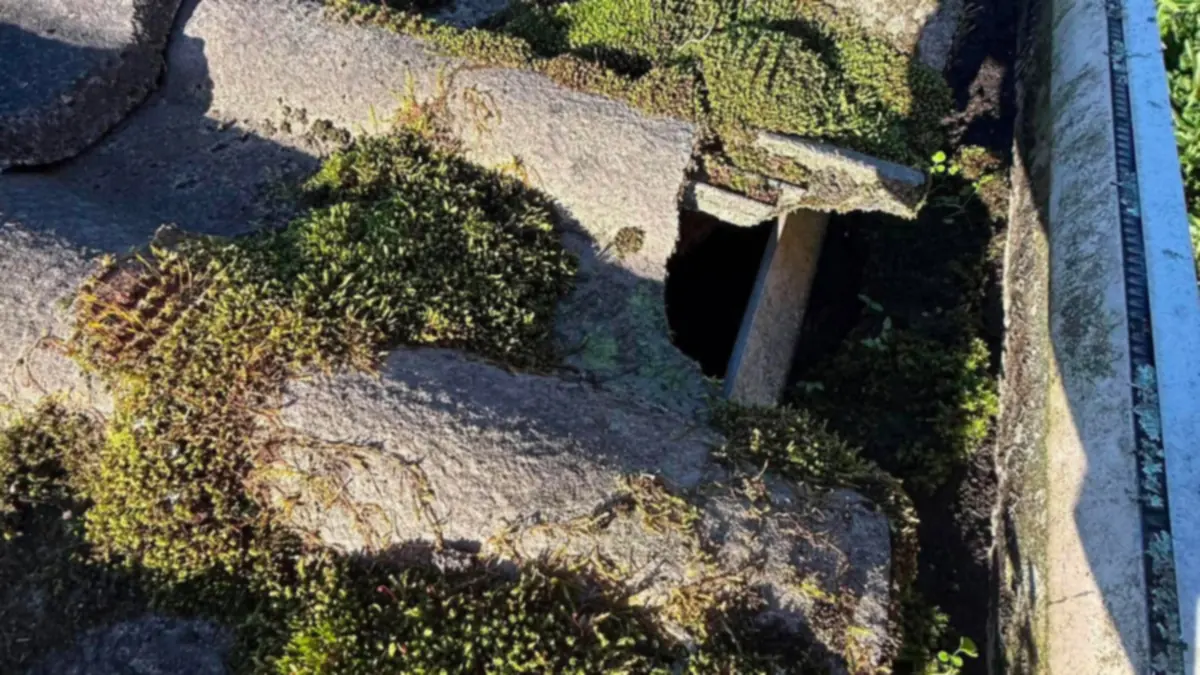
Quick answer: To prepare your roof for winter in Auckland, inspect it in late summer or autumn from the ground and the roof space, clear gutters and valleys, treat moss, replace cracked tiles and fix lifted flashings before the wetter months arrive. A leak is far cheaper to repair in March than in July, because water damage compounds every week it continues.
This checklist shows what to look at, in what order, and what to do if a storm gets there first.
When should you prepare your roof for winter?
The best time to prepare your roof for winter is late summer and autumn, roughly February to May, while days are dry enough to work and before the wetter months arrive.
Winter does not stop roofers working in Auckland, but it means shorter days, more stand-downs and a longer elapsed programme. What should not wait for spring is an actively leaking roof, because the damage compounds every week and interior repairs can cost more than the roofing ever did. A check in autumn also gives you time to book a contractor and make repairs on your schedule, not the storm’s.
Reading this in spring? The same checklist works as a post-winter inspection: it shows what the wet months did to the roof while a full dry season is still ahead to repair it.
What should a pre-winter roof checklist cover?
A pre-winter checklist covers every place where water enters or leaves a roof, and the structure that keeps it dry.
| Area | What to check | Why it matters |
|---|---|---|
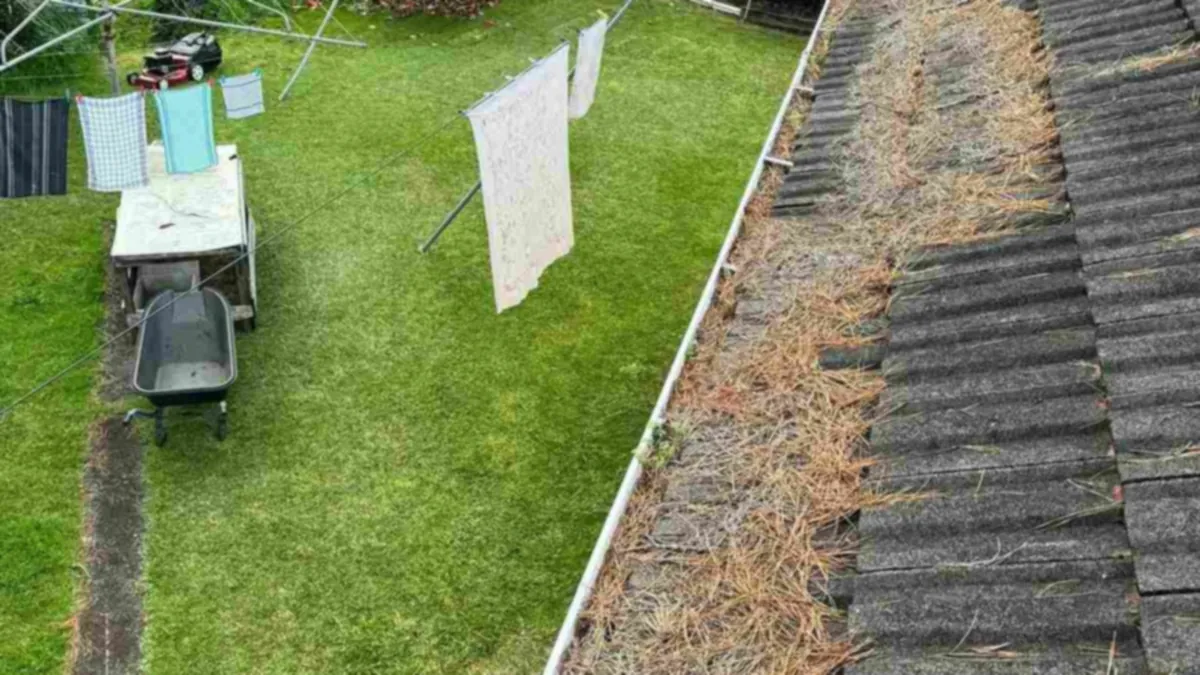
| Gutters and downpipes | Clear leaves and debris; check for overflow marks | Blocked drainage sends water under the roof edge and down walls |
| Valleys | Remove debris; look for rust or lifted laps | Valleys carry the water from two roof planes |
| Tiles or sheets | Cracked, slipped or missing tiles; lifted or rusted sheets | Tiles have only underlay beneath them |
| Ridge and flashings | Missing mortar, lifted flashings, cracked sealant | Junctions are where most roofs leak |
| Moss and lichen | Growth on shaded slopes and along the gutter line | Growth holds moisture and breaks coatings down |
| Trees | Overhanging branches and dead limbs | Limbs damage the roof in wind and drop debris |
| Roof space | Daylight, damp timber, stained underlay | Shows leaks that the roof surface hides |
The full seasonal routine is in the roof maintenance checklist, and the common leak sources are in roof leak causes.
How do you check your roof safely before winter, step by step?
You check safely by staying on the ground and in the roof space, and by leaving anything that needs roof access to a professional.
- Choose a dry day. Wet roofs are slippery and hide defects.
- Walk around the house with binoculars. Look for slipped or cracked tiles, lifted flashings, rust streaks and moss.
- Clear the gutters safely. Use a stable ladder position or a gutter service, and do not stretch from the ladder.
- Check the roof space. Look for daylight, damp and stains, then photograph what you find.
- Book repairs. Get quotes for anything you cannot fix from the ground.
WorkSafe’s roof safety guidance is a good reminder of why roof access is for trained people.
Which repairs are worth doing before winter?
The repairs worth doing before winter are the ones that stop water entering or that stop damage spreading once it does.
- Replace cracked or missing tiles. A cracked tile is cheap to swap and expensive to ignore through a wet season.
- Re-fix or renew lifted flashings. Flashings seal every junction on the roof.
- Treat moss and lichen. Treating early costs far less than replacing a coating that growth has worked through; see our guide to roof moss treatment.
- Clear and repair gutters. Fix sagging runs and failed joints so water goes where it should.
- Fix loose or corroded fixings. Backed-out screws and rusted washers are common leak points on steel roofs.
If water is already getting in, our roof leak repair service starts with tracing the true entry point.
What should you do if a storm damages your roof?
If a storm damages your roof, make it safe first, document everything and arrange a proper repair, in that order.
- Stay safe. Keep off the roof and away from anything that may fall.
- Contain the water. Move belongings, use containers and, if a ceiling is bulging with trapped water, release it at the low point in a controlled way.
- Photograph and date everything. Include interior damage, and note the date of the weather event.
- Make it temporarily safe. Keep receipts for any make-safe work.
- Get a written assessment. Insurers distinguish storm damage from gradual deterioration, so a clear description of the damage and its cause helps.
Our emergency roof leak checklist has more detail on the first hour.
What should you do about trees and moss before winter?
Trim anything that touches or overhangs the roof, then treat moss and lichen so growth is not holding moisture against the roof through the wet months.
Overhanging trees shorten roof life by dropping debris, shading slopes and rubbing coatings in wind. They also feed the gutters. Moss and lichen hold moisture against the surface, accelerate coating breakdown on steel and erode the surface of concrete tile. Treating it before winter means the product keeps working during the wet season, and clumps are less likely to break loose and block downpipes.
Our sister brand offers roof moss treatment for the same job, and tile roofs that need more than treatment are covered in concrete tile roof restoration.
What can wait until spring?
Anything that is cosmetic or that does not let water in can usually wait for settled weather.
- Recoating and colour changes. Coatings need dry surfaces and settled weather to cure.
- Planned replacement. A re-roof can be scheduled for a dry window as long as temporary repairs keep the roof watertight until then.
- Cosmetic repairs. Paint touch-ups and non-leaking staining.
A sensible approach is to make the roof watertight now and schedule bigger work for the following dry season.
Is winter a bad time to repair or replace a roof in Auckland?
Winter is slower, not impossible, and lead times for roofers are often better than in summer.
Roofers never open more roof than they can close in a day, so the house stays watertight at the end of each shift, and a stand-down for weather is built into the programme. What genuinely should not wait for spring is an active leak. A planned replacement can sensibly wait for a dry window, with temporary repairs holding the roof until then.
Sources
These are the primary New Zealand sources behind the facts in this guide.
Conclusion
A few hours in autumn can save a damp ceiling in July. Check the roof from the ground and the roof space, clear the drainage, treat the moss and fix the small defects while the weather is on your side. Get anything bigger quoted early.
Frequently Asked Questions
When is the best time to book a roof repair?
Autumn is ideal because you can inspect in dry weather and book repairs before the wettest months. Roofers do work through winter, with more weather delays, and an actively leaking roof should not wait for spring.
How often should I clear my gutters?
At least twice a year, and more often if you have overhanging trees. The metal roofing manufacturers’ installation guide says regular gutter cleaning is required because debris that stays wet against metal can cause early corrosion.
Will my insurance cover storm damage to the roof?
That depends on your policy and on whether the damage is sudden storm damage or gradual deterioration. Photograph everything, keep receipts for make-safe work and get a written assessment of the cause. Check your policy wording with your insurer.
Should I treat moss in autumn or spring?
Treating in autumn stops growth holding moisture against the roof through the wet months, and the treatment keeps working after application. Whatever the season, treat it before a coating is applied, not after.
Roofing Help Across Auckland
Reading up is a smart first step, but every Auckland property is a little different. For advice tailored to your own home, My Homes Construct Ltd offers free assessments and written quotes for roofing and re-roofing across all Auckland regions and suburbs.
We respond to enquiries the same business day, explain your options in plain language, and stand behind every job with a workmanship warranty — no pressure and no hidden costs.
When to Call a Professional
Plenty of roofing and re-roofing tasks are fine to tackle yourself, but it's worth knowing where the line is. If a job involves working at height, structural elements, water getting where it shouldn't, or anything you're not fully confident about, bringing in a professional is usually cheaper than fixing a DIY attempt that didn't hold up.
A good tradesperson also spots the things an untrained eye misses — the early warning signs that turn a small job today into a major repair next winter. If you're in any doubt, a free assessment costs nothing and gives you a clear, honest picture before you commit to anything.
Timing It Right in Auckland
Timing matters more than most Auckland homeowners realise with roofing and re-roofing work. The drier spells from late spring through summer are ideal for anything weather-sensitive, while the wetter winter months are when hidden faults tend to reveal themselves — which makes autumn a smart time for a preventative check before the rain sets in.
Planning ahead also means you're not scrambling for an emergency call-out at the worst possible moment. A quick seasonal inspection costs little and often catches the small issues that would otherwise become urgent — and expensive — repairs once Auckland's weather turns.
A Quick Checklist for Auckland Homeowners
Whatever you decide to do next, a few simple principles will save you money and stress on any roofing and re-roofing job in Auckland.
- Act early — Auckland's wet, humid climate turns small problems into expensive ones faster than most people expect.
- Get it in writing — a clear, itemised written quote protects you and makes comparing options straightforward.
- Check it's a registered building company — it matters for quality, consent and warranty cover.
- Ask about the warranty — reputable Auckland tradespeople stand behind their workmanship, not just the materials.
- Think long-term value, not just the cheapest price — the lowest quote is rarely the best value once durability is factored in.
Keep these in mind and you'll avoid the most common — and most costly — mistakes we see on Auckland properties.
Need Professional Help in Auckland?
My Homes Construct Ltd provides expert roofing and full home-improvement services across all Auckland suburbs. Get a free, no-obligation quote today.
This guide is published by Auckland builders and renovation specialists — a registered Auckland building company covering gutters, roofing, renovation, painting, decks and civil construction.