
Roof Warranty in NZ: What Manufacturer and Workmanship Cover Really Means
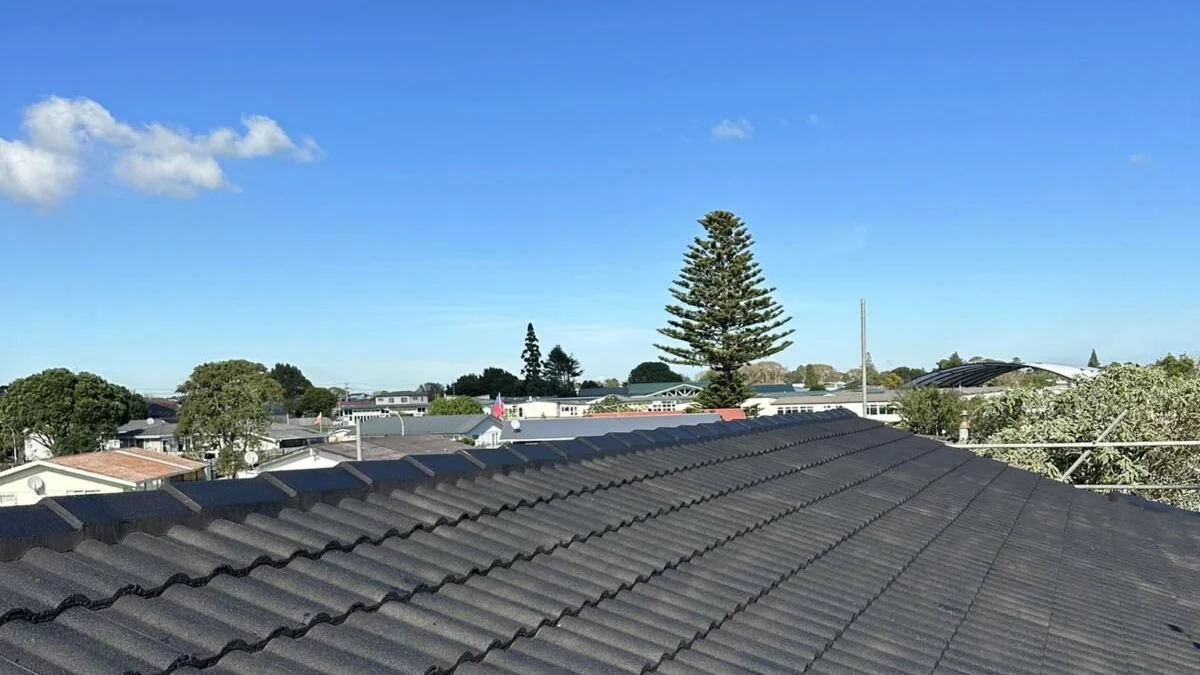
Quick answer: A roof warranty in NZ is usually three separate things: the manufacturer’s cover for the product, the installer’s workmanship warranty, and the implied warranties the Building Act adds to residential building contracts. Each has conditions, and manufacturer cover usually depends on correct installation and regular maintenance, so keep all the paperwork together.
Below you will see what each layer covers, what can void it, and what to get in writing before work starts.
What warranties come with a new roof?
A new roof can carry three layers of cover, and each answers a different question about who is responsible if something goes wrong.
| Layer | Who gives it | What it covers | What to keep |
|---|---|---|---|
| Manufacturer warranty | The product manufacturer | The coating and the product itself, within defined environment categories | The warranty terms and your product and colour record |
| Workmanship warranty | Your roofing contractor | The installation, on the terms in the quotation | The signed quote and any variations |
| Implied warranties | The Building Act 2004 | Standards for residential building work, for up to 10 years, written contract or not | The contract, plans or specification and your records |
Manufacturer cover commonly sits in the 15 to 50 year range depending on grade and environment, which is why the conditions matter more than the headline number.
For steel roofs, long run roofing explains the installation details manufacturers expect, and for older roofs that may contain asbestos see asbestos roof removal.
What does a manufacturer’s roof warranty usually require?
A manufacturer’s warranty usually requires correct installation, a suitable product for the environment and ongoing maintenance.
The metal roofing manufacturers’ installation guide says installation should follow its instructions to comply with the Building Code and to satisfy manufacturers’ warranties, and that metal roofing needs ongoing maintenance to fulfil the product warranty. NZ Steel states that its roofing meets the Building Code durability requirement of 15 years when it is maintained as recommended. In practice that means washing areas the rain does not reach, keeping gutters clear and keeping records.
The Building Code sets the floor for roof cladding: building.govt.nz explains that a roof must be durable for 15 years from when it was first installed, so a roof that fails inside that period did not meet its initial durability requirement and cannot automatically be replaced without a building consent.
What does a workmanship warranty cover, and what should be written down?
A workmanship warranty covers the quality of the installation for the period set out in your quotation, and it is only as clear as the document that records it.
- The period. How long the cover lasts and from what date.
- The scope. Whether it covers the whole roof or only specified work.
- The exclusions. What is not covered, such as damage by other trades or storms.
- The claim process. Who to contact, in what form and how quickly.
- Product documents. A record of the products installed, including the profile, coating and colour.
Every roofing job should come with a workmanship warranty on the terms in your quotation alongside the manufacturer warranty for the product.
What do implied warranties add under the Building Act?
Implied warranties add legal protections to residential building work, whether or not you have a written contract.
According to building.govt.nz, all residential building work is covered by implied warranties for up to 10 years, regardless of the contract terms and of the cost of the project. They cover that the work is done properly and competently and to the plans and specifications in any consent; that materials are suitable and, unless stated, new; that the work is consistent with the Building Act and the Building Code; that it is done with reasonable care and skill and completed within the agreed or a reasonable time; and that the home is suitable for occupation at the end of the work.
There is also a 12-month defect repair period. To activate the warranties you generally have to take a dispute over defects or workmanship to court, so keep your records. The full page is listed under Sources.
What should you ask for before you sign a roofing contract?
Before signing, ask for a quote that names every component and both sets of warranty terms.
- Product and profile. The exact product, profile, coating grade and colour.
- Underlay, flashings and ridge capping. Each item named, with new flashings throughout.
- Fixings. The fastener type and class for your environment.
- Removal, disposal and access. Who removes the old roof, scaffolding or fall protection, and clean-up.
- Gutters and downpipes. Whether they are affected and who is responsible.
- Warranty terms. The manufacturer cover, the workmanship cover and what each excludes.
If any of those are missing, they become variations later. Ask for anything excluded to be listed explicitly.
What can void or weaken a roof warranty?
A warranty is most often weakened by things done to the roof after installation, and by missed maintenance.
- Unapproved penetrations. Aerials, solar and air-conditioning fixings cut by another trade.
- Incompatible metals. Dissimilar metals in contact, or incompatible fixings.
- Walking and impact damage. Foot traffic that dents ribs or damages the coating.
- Ponding. The metal roofing manufacturers state that ponding detracts from a coated steel product’s life and invalidates the warranty.
- Trapped debris. A gutter guard or any product that traps debris against steel is not recommended and is an exclusion in the product warranty.
- Missed maintenance. Skipping the washing the warranty assumes, especially in high-corrosion coastal areas.
Read the exact exclusions for your product before letting any other trade onto the roof.
The routine that keeps cover valid is in the roof maintenance checklist.
How do you make a roof warranty claim?
You make a claim by documenting the problem, notifying the right party in writing and keeping the roof accessible for inspection.
- Gather the paperwork. Find the quote, warranty terms, product record and any maintenance invoices.
- Photograph the problem. Take dated photos of the defect and any resulting damage.
- Notify in writing. Contact the installer for workmanship issues and the manufacturer for product issues, following the process in the terms.
- Allow inspection. Give access, and do not carry out repairs that remove evidence before the inspection.
For work that was consent-exempt there is no code compliance certificate, so your warranty documents are your record. Our re-roofing guide, the roof replacement consent guide and the house re-roofing service page explain what a full quote should include.
Sources
These are the sources behind the warranty facts in this guide. Legal wording and time limits can change, so confirm them on the linked pages.
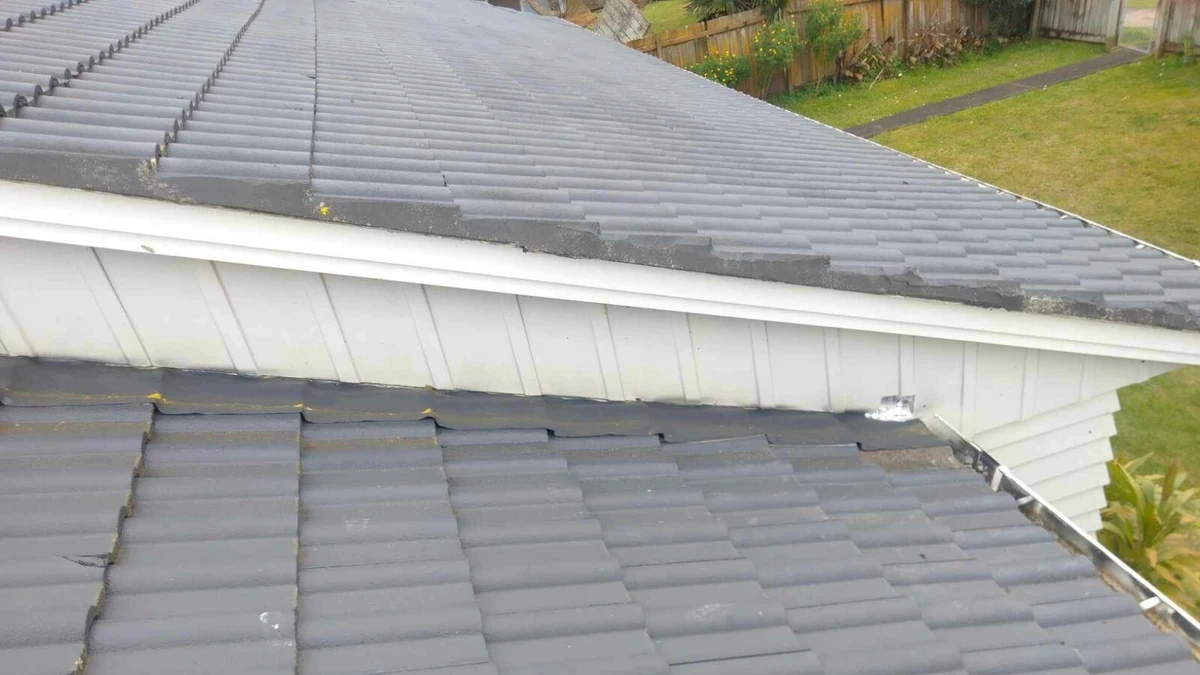
Conclusion
A roof warranty is only as strong as its conditions and your records. Ask for the manufacturer terms and the workmanship terms in writing, maintain the roof as required, and keep dated photos and invoices together in one place.
Frequently Asked Questions
How long is a typical roof warranty?
Manufacturer cover commonly sits between 15 and 50 years depending on the product, coating grade and environment. The workmanship warranty is set separately in your quotation, so ask for both periods in writing and compare the conditions, not just the numbers.
Do I get a code compliance certificate for a re-roof?
A code compliance certificate exists only where a building consent was issued, so consent-exempt re-roofing does not produce one. You should receive the workmanship warranty, the manufacturer’s warranty documents and a record of the products installed.
Does a gutter guard affect my warranty?
It can. The metal roofing manufacturers’ guide does not recommend permanent leaf guards and says a system that traps debris against steel is an exclusion in the product warranty. Check your warranty wording before you add one.
Is the warranty transferable if I sell?
It depends on the terms, so check the documents. Whatever the answer, a future buyer or their lawyer will ask for the workmanship warranty, the manufacturer warranty and the product record, so keep all three together.
Roofing Help Across Auckland
Reading up is a smart first step, but every Auckland property is a little different. For advice tailored to your own home, My Homes Construct Ltd offers free assessments and written quotes for roofing and re-roofing across all Auckland regions and suburbs.
We respond to enquiries the same business day, explain your options in plain language, and stand behind every job with a workmanship warranty — no pressure and no hidden costs.
When to Call a Professional
The trickiest part of any roofing and re-roofing project is often knowing when to stop and call someone in. Warning signs worth taking seriously include recurring problems, damage that keeps spreading, anything involving safety or access at height, and work that touches the structure of your home.
In those situations a professional opinion pays for itself. We're always happy to take a look and tell you straight whether it's something you can manage yourself or a job better left to a registered building company — with no obligation either way.
Timing It Right in Auckland
Auckland's climate runs to its own calendar, and roofing and re-roofing projects go more smoothly when they're scheduled with that in mind. Booking weather-dependent work for a settled stretch avoids delays, and getting preventative jobs done before winter saves you from reacting once the heavy rain and coastal winds arrive.
If you're not sure where your property sits on that timeline, that's exactly the kind of thing a free assessment answers. We'll tell you honestly whether something needs attention now or can sensibly wait until the season suits.
A Quick Checklist for Auckland Homeowners
Whatever you decide to do next, a few simple principles will save you money and stress on any roofing and re-roofing job in Auckland.
- Act early — Auckland's wet, humid climate turns small problems into expensive ones faster than most people expect.
- Get it in writing — a clear, itemised written quote protects you and makes comparing options straightforward.
- Check it's a registered building company — it matters for quality, consent and warranty cover.
- Ask about the warranty — reputable Auckland tradespeople stand behind their workmanship, not just the materials.
- Think long-term value, not just the cheapest price — the lowest quote is rarely the best value once durability is factored in.
Keep these in mind and you'll avoid the most common — and most costly — mistakes we see on Auckland properties.
Need Professional Help in Auckland?
My Homes Construct Ltd provides expert roofing and full home-improvement services across all Auckland suburbs. Get a free, no-obligation quote today.
This guide is published by Auckland home renovation and construction services — a registered Auckland building company covering gutters, roofing, renovation, painting, decks and civil construction.