
Concrete Tile Roof Restoration in Auckland: Repointing, Rebedding and Recoating
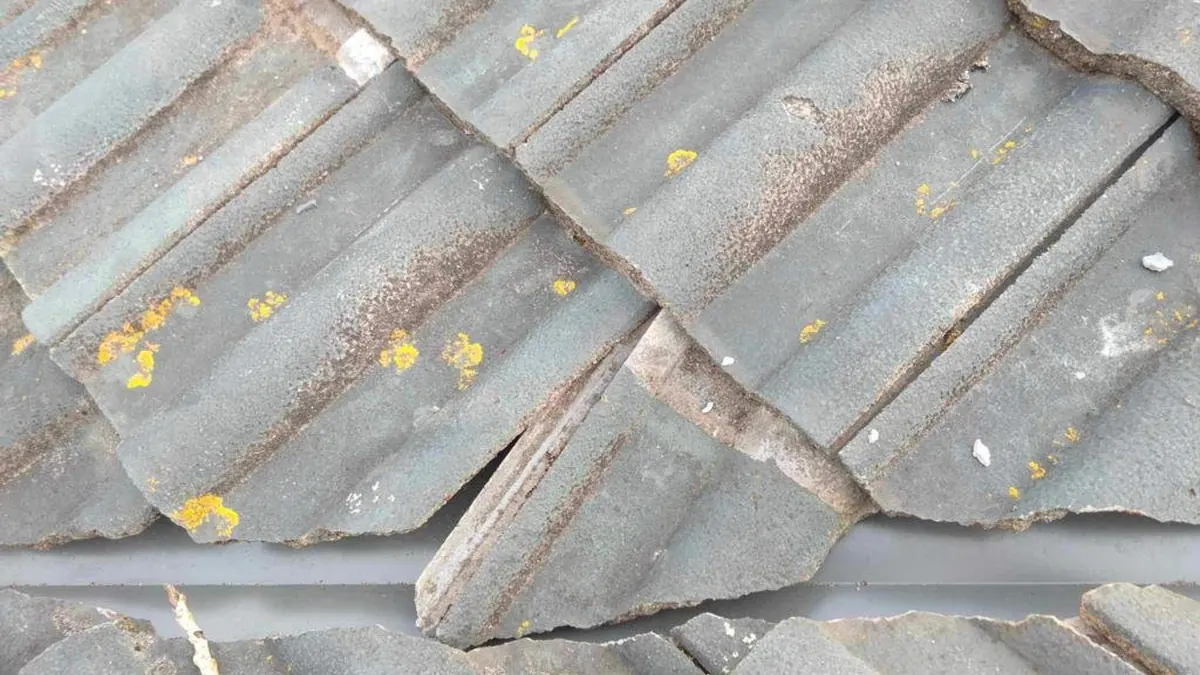
Quick answer: Concrete tile roof restoration means repairing, cleaning and recoating a tile roof that is still structurally sound. The job treats moss, replaces cracked tiles, rebeds and repoints ridge caps, then applies a primer and two topcoats. It suits roofs with isolated damage; widespread cracking or sagging points to replacement.
This guide walks through each stage in order, shows how to tell a roof worth restoring from one that is not, and lists the published starting prices.
What is concrete tile roof restoration?
Concrete tile roof restoration is a set of repairs and treatments that bring a sound tile roof back to a weathertight, good-looking condition without removing the tiles.
Concrete tiles often outlast their original surface coating. What usually fails first is the tile surface, the mortar along the ridges and the flashings at junctions. Restoration deals with those parts one at a time. It is different from re-roofing, which strips the roof and starts again, and different from a simple repaint, which only covers what is already there.
What does a tile roof restoration involve, step by step?
A restoration follows a fixed order, because each stage depends on the one before it.
- Inspect the roof. Check the tiles, ridge and hip caps, valleys, flashings and gutters before anything is quoted.
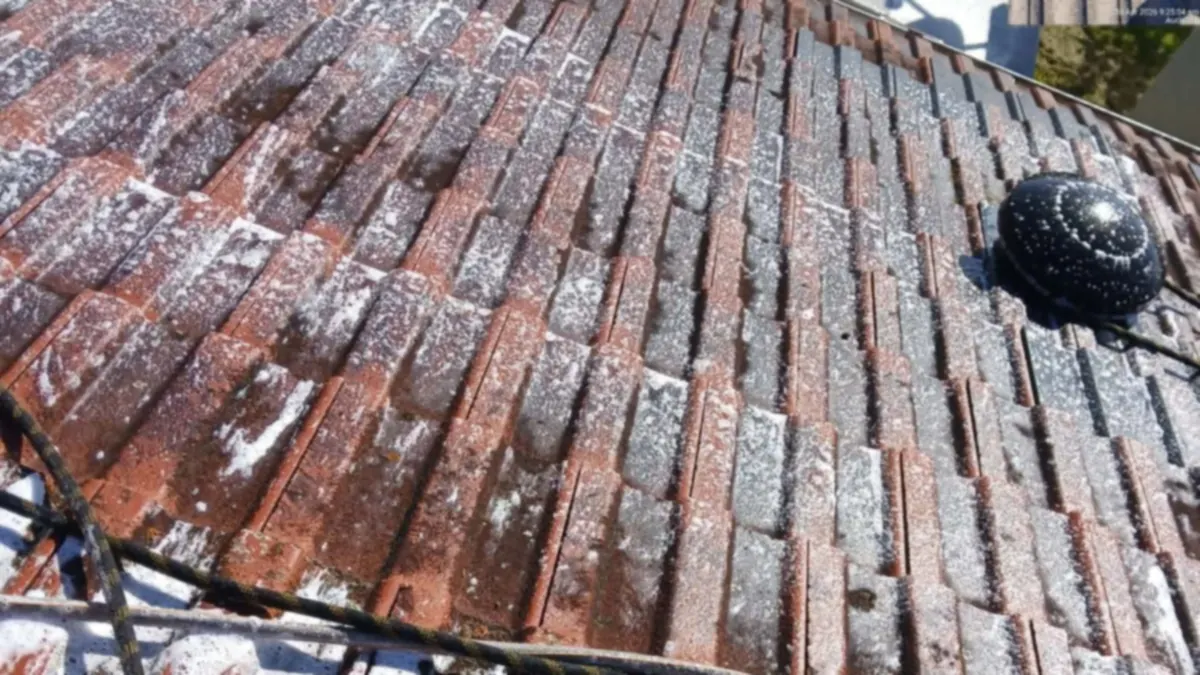
- Treat moss and lichen. Kill the growth first. Coating over live growth lets it keep working underneath.
- Wash the roof. Remove the dead growth and surface dirt with low-pressure or soft-wash methods that protect the tile surface and the laps.
- Replace broken tiles. Swap cracked or missing tiles so water is not left to run onto the underlay.
- Rebed and repoint the ridge and hip caps. Remove failed mortar and pointing, then fix and seal the caps again.
- Repair flashings and valleys. Fix lifted or corroded junction details before any coating goes on.
- Prime and coat. Apply a primer, then two topcoats suited to tile.
- Finish and check. Clear the gutters and downpipes of debris from the job and walk through the result.
Our roof painting service covers the coating stages, and roof moss treatment covers the first two.
Can your tile roof be restored, or does it need replacing?
A tile roof can usually be restored when the damage is isolated and the structure underneath is straight and sound. Damage that repeats across the roof means the material has reached the end of its service life.
| What you see | Points to restoration | Points to re-roofing |
|---|---|---|
| Tiles | A few cracked or slipped tiles; surface worn but tiles sound | Cracking across many tiles and several roof planes |
| Ridge and hip caps | Mortar or pointing failing in places | Loose along every ridge and hip, with tile damage elsewhere |
| Roof lines | Straight, no dips | Visible sagging between supports |
| Leaks | Traced to a flashing or a handful of tiles | New leaks keep appearing in different places |
| Roof space | Dry timber, intact underlay | Stained or rotten battens and underlay |
If the table leans right, read roof painting versus roof replacement before you commit to a coating.
What does tile roof restoration cost in Auckland?
Restoration is priced as separate stages rather than one fixed number, and each stage has a published starting point.
| Stage | Published guide |
|---|---|
| Roof repairs (cracked tile, ridge rebed, lifted flashing) | $150 to $1,800, depending on the repair |
| Moss and lichen treatment | From $250 |
| Roof cleaning | From $300 |
| Roof painting (treatment, wash, prime, two topcoats) | From $1,500; $1,500 to $5,000 for a standard home |
Larger, steeper or badly deteriorated roofs price higher because preparation grows faster than painting. Inspections and quotes are free, and a roof cannot be priced honestly from the ground or a photo. Our roof painting cost guide explains what moves the price.
For a complete restoration of a standard home, our sister brand Roofing Expert quotes $3,500 to $12,000, covering cleaning, moss treatment, repairs, ridge re-pointing and two-coat painting. Its tile roofing page lists tile roof repair from $350 and ridge re-pointing at $800 to $2,500.
Why does ridge capping decide whether the roof stays dry?
Ridge and hip caps are the most exposed joints on a tile roof, so failed bedding or pointing there lets water in however good the coating looks.
The caps are fixed in mortar or pointing compound that weathers, cracks and lets go. A painted tile roof over failing ridge mortar looks new and still leaks. That is why a quote should say whether the ridges and hips are being rebedded and repointed, and along how much of the roof.
Every other junction on the roof fails for similar reasons, which our roof flashing guide explains, and leaks that start there are covered in common roof leak causes.
Do you need building consent to restore a tile roof?
Repair and maintenance work using comparable materials is generally exempt from building consent, with one important exception for roofs that failed early.
Schedule 1 of the Building Act exempts the repair and maintenance of a building component where comparable materials are used, and replacement with a comparable component in the same position. It does not cover repair or replacement, other than maintenance, of a component that failed the Building Code durability requirement. For roof cladding that requirement is 15 years, so a roof that failed inside its first 15 years cannot automatically be replaced without consent, while repair and normal re-roofing of an older roof can go ahead like-for-like.
Our roof replacement consent guide covers the detail. Ask your roofer who is responsible for the work and use the building.govt.nz exempt-work page and the LBP register to confirm your own case.
How do you keep a restored tile roof in good condition?
A restored tile roof lasts longest when it is cleaned on a schedule, kept clear of debris and left alone between inspections.
- Clean every two to three years. Roofs under trees or facing south that never dry out may need it every year.
- Keep gutters and valleys clear. Blocked drainage sends water where the roof was not designed to carry it.
- Stay off the tiles. Walking a tile roof cracks tiles you cannot see from the ground. Inspect with binoculars, and use the roof space on a dry day.
- Keep the paperwork. File the quote, the coating specification and any manufacturer warranty together.
WorkSafe also advises inspecting roofs remotely where possible; its guidance on working on roofs sets out why.
Our roof maintenance checklist turns this into a yearly routine, and choosing a roof colour helps if the recoat is also a colour change.
What should you ask a roofer before approving a restoration?
Five questions separate a restoration that lasts from a cosmetic recoat, and a good roofer will answer each one in writing.
- How is moss and lichen being treated? The answer should name the treatment and say how long it needs before washing.
- How is the roof being washed? Ask what pressure is used and what it does to your specific tile.
- How many tiles are being replaced, and how will they match? New tiles next to weathered ones will read as a patch until the coating goes on.
- How much ridge and hip line is being rebedded and repointed? A figure in metres is a better answer than "as required".
- Which coating system is going on, and what is the warranty? Get the manufacturer cover and the workmanship cover in writing, with their conditions.
If a quote just says "paint roof, two coats", every one of those variables is unpriced.
Sources
These are the primary New Zealand sources behind the facts in this guide.
Conclusion
A sound tile roof does not always need replacing. Treat the growth, fix the tiles and ridge caps, then coat it, and you can add years to the roof for a fraction of a re-roof. A free on-site inspection will show which path your project is on.
Frequently Asked Questions
Can concrete roof tiles be painted?
Yes, when the tiles are sound. Painting is the last stage, after moss treatment, washing, tile replacement and ridge repairs. Painting alone over live moss or failing ridge mortar will not hold, and it hides problems for a season at most.
Is high-pressure water blasting safe for a tile roof?
Not at high pressure on most roofs. Aggressive blasting drives water up under laps and flashings and can strip the surface off concrete tiles. Soft washing with the right treatment cleans the roof without that damage.
How long does the coating stage take?
On a standard home the coating stages typically run one to three days once preparation is complete. Weather windows decide the elapsed time more than painting hours do, so your quote should carry an indicative programme.
Can I check the roof myself?
From the ground with binoculars, yes. Look for slipped tiles, rust streaks, missing ridge mortar, sagging lines and moss cover. Do not walk a tile roof: you will crack tiles you cannot see from the ground and turn an inspection into a repair bill.
Roofing Help Across Auckland
Reading up is a smart first step, but every Auckland property is a little different. For advice tailored to your own home, My Homes Construct Ltd offers free assessments and written quotes for roofing and re-roofing across all Auckland regions and suburbs.
We respond to enquiries the same business day, explain your options in plain language, and stand behind every job with a workmanship warranty — no pressure and no hidden costs.
When to Call a Professional
Plenty of roofing and re-roofing tasks are fine to tackle yourself, but it's worth knowing where the line is. If a job involves working at height, structural elements, water getting where it shouldn't, or anything you're not fully confident about, bringing in a professional is usually cheaper than fixing a DIY attempt that didn't hold up.
A good tradesperson also spots the things an untrained eye misses — the early warning signs that turn a small job today into a major repair next winter. If you're in any doubt, a free assessment costs nothing and gives you a clear, honest picture before you commit to anything.
Timing It Right in Auckland
Timing matters more than most Auckland homeowners realise with roofing and re-roofing work. The drier spells from late spring through summer are ideal for anything weather-sensitive, while the wetter winter months are when hidden faults tend to reveal themselves — which makes autumn a smart time for a preventative check before the rain sets in.
Planning ahead also means you're not scrambling for an emergency call-out at the worst possible moment. A quick seasonal inspection costs little and often catches the small issues that would otherwise become urgent — and expensive — repairs once Auckland's weather turns.
A Quick Checklist for Auckland Homeowners
Whatever you decide to do next, a few simple principles will save you money and stress on any roofing and re-roofing job in Auckland.
- Act early — Auckland's wet, humid climate turns small problems into expensive ones faster than most people expect.
- Get it in writing — a clear, itemised written quote protects you and makes comparing options straightforward.
- Check it's a registered building company — it matters for quality, consent and warranty cover.
- Ask about the warranty — reputable Auckland tradespeople stand behind their workmanship, not just the materials.
- Think long-term value, not just the cheapest price — the lowest quote is rarely the best value once durability is factored in.
Keep these in mind and you'll avoid the most common — and most costly — mistakes we see on Auckland properties.
Need Professional Help in Auckland?
My Homes Construct Ltd provides expert roofing and full home-improvement services across all Auckland suburbs. Get a free, no-obligation quote today.
This guide is published by Auckland builders and renovation specialists — a registered Auckland building company covering gutters, roofing, renovation, painting, decks and civil construction.